

When pets sit silently by the window, they aren’t bored. They’re observing, processing, and mentally engaging with the world outside.
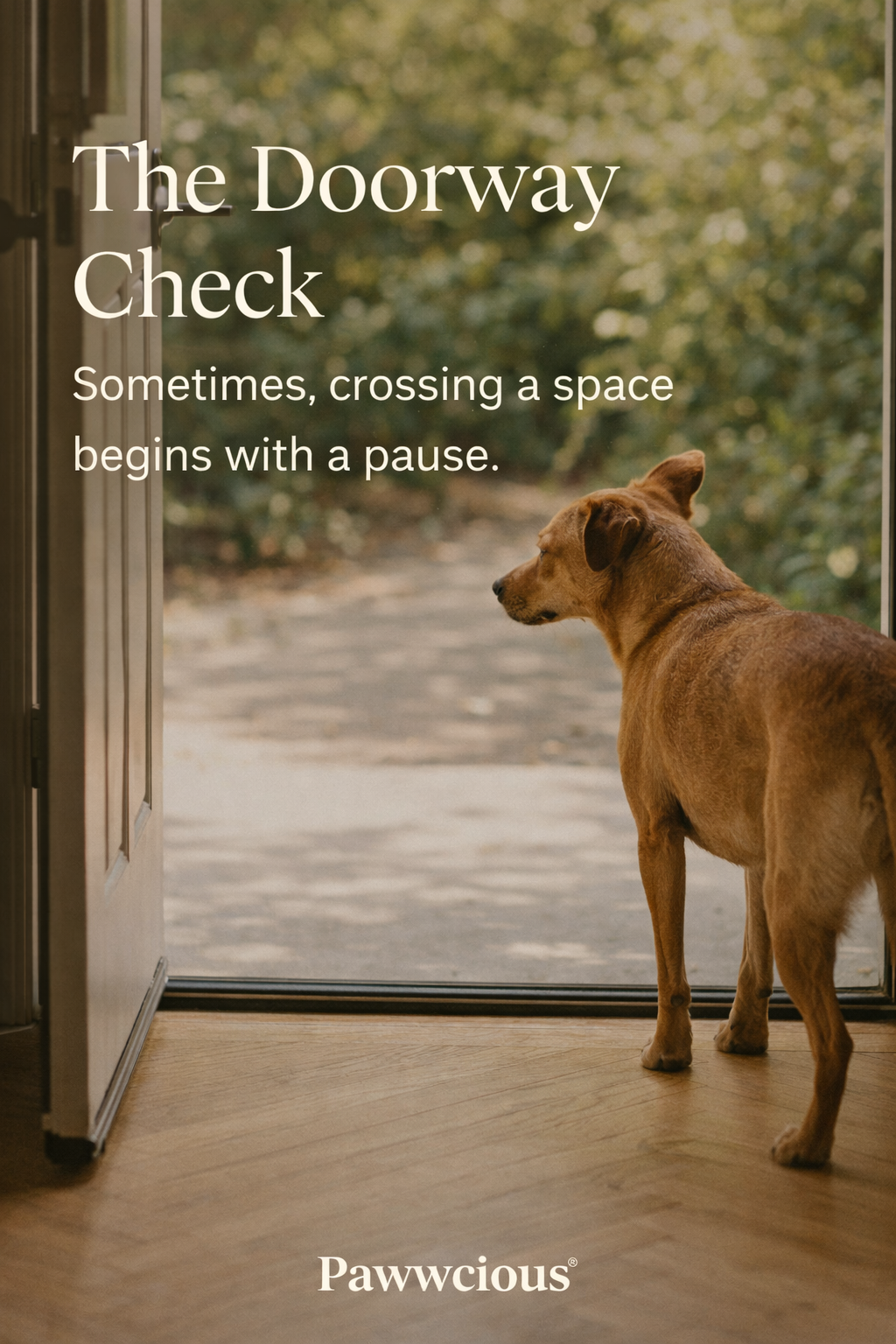
Why Pets Pause at Doors Even When They’re Open
Have you ever opened a door for your pet, only to see them pause right at the threshold?That moment — the doorway check — is a deeply instinctive and emotional behavior. Pets don’t rush transitions. They pause to process. 1️⃣ Doorways Are Emotional Boundaries To pets, a doorway isn’t just space — it’s a change in environment. Different smells, sounds, light, and energy exist on either side. Pausing helps them assess what lies ahead. 2️⃣ Safety Comes Before Movement In nature, crossing thresholds without checking could be dangerous. The pause is an inherited survival instinct, not confusion or fear. 3️⃣ Permission & Trust Signals Some pets pause to seek reassurance — a glance, a nod, or calm energy from their human. It’s their way of asking, “Is this safe?” 4️⃣ Sensory Overload Management Outdoor spaces can be louder, brighter, and more stimulating. Pausing allows pets to prepare their nervous system before stepping forward. 5️⃣ Emotional Readiness Matters Confident pets pause briefly and move on. Anxious or overstimulated pets pause longer. The length of the pause reflects emotional comfort, not stubbornness. How Pet Parents Can Support the Doorway Check Respecting the doorway check builds trust and emotional security. Why This Pause Is Powerful The doorway check shows that pets are mindful, not impulsive.They read the world carefully — moment by moment. When you honor that pause, you tell your pet:“Your pace is safe here.” That’s the foundation of true emotional wellbeing. 👉www.pawwcious.com
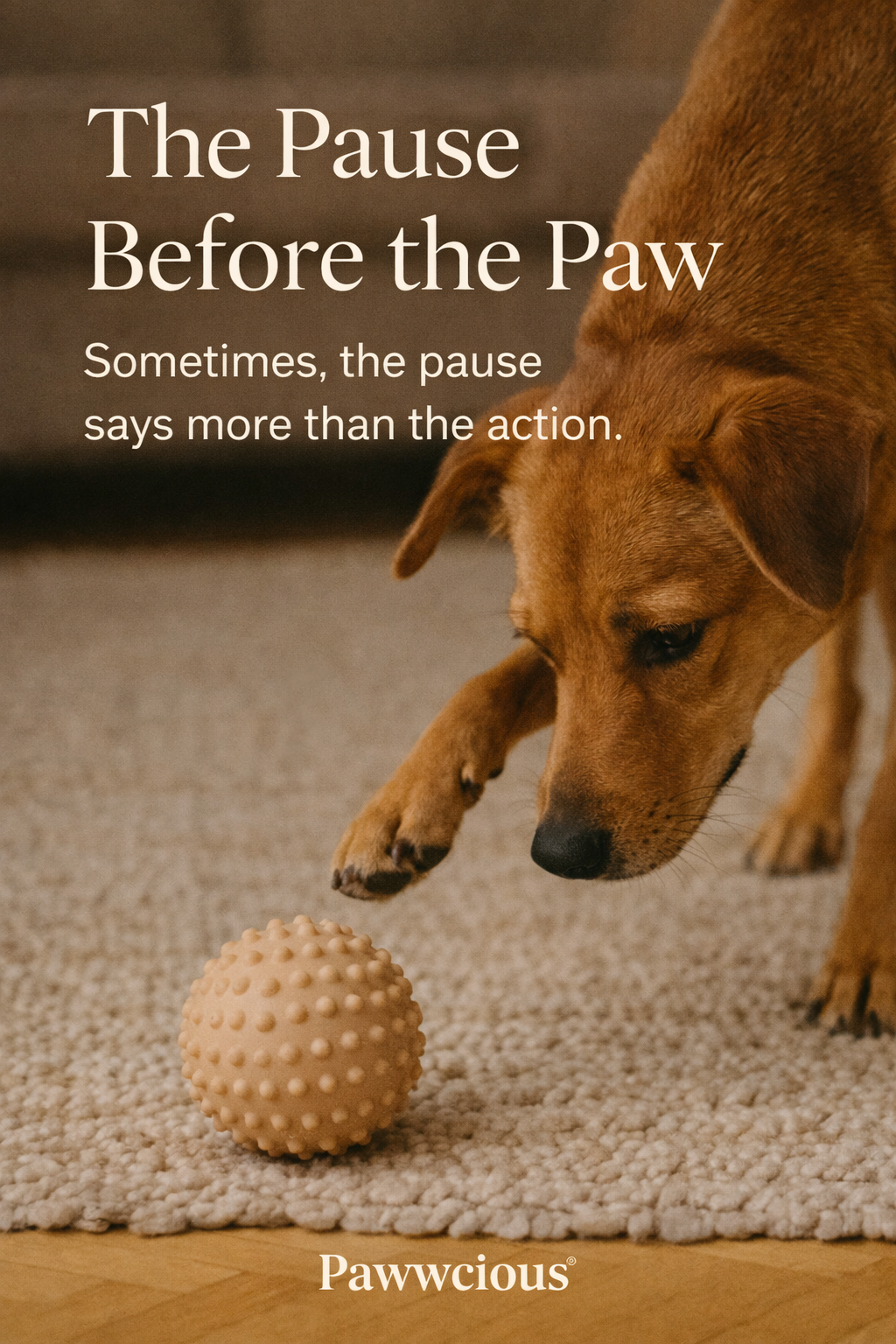
Why Pets Hesitate Before Touching New Objects
That brief pause before your pet touches something new isn’t fear — it’s intelligence. Here’s what that moment reveals about your pet’s emotional and sensory world.
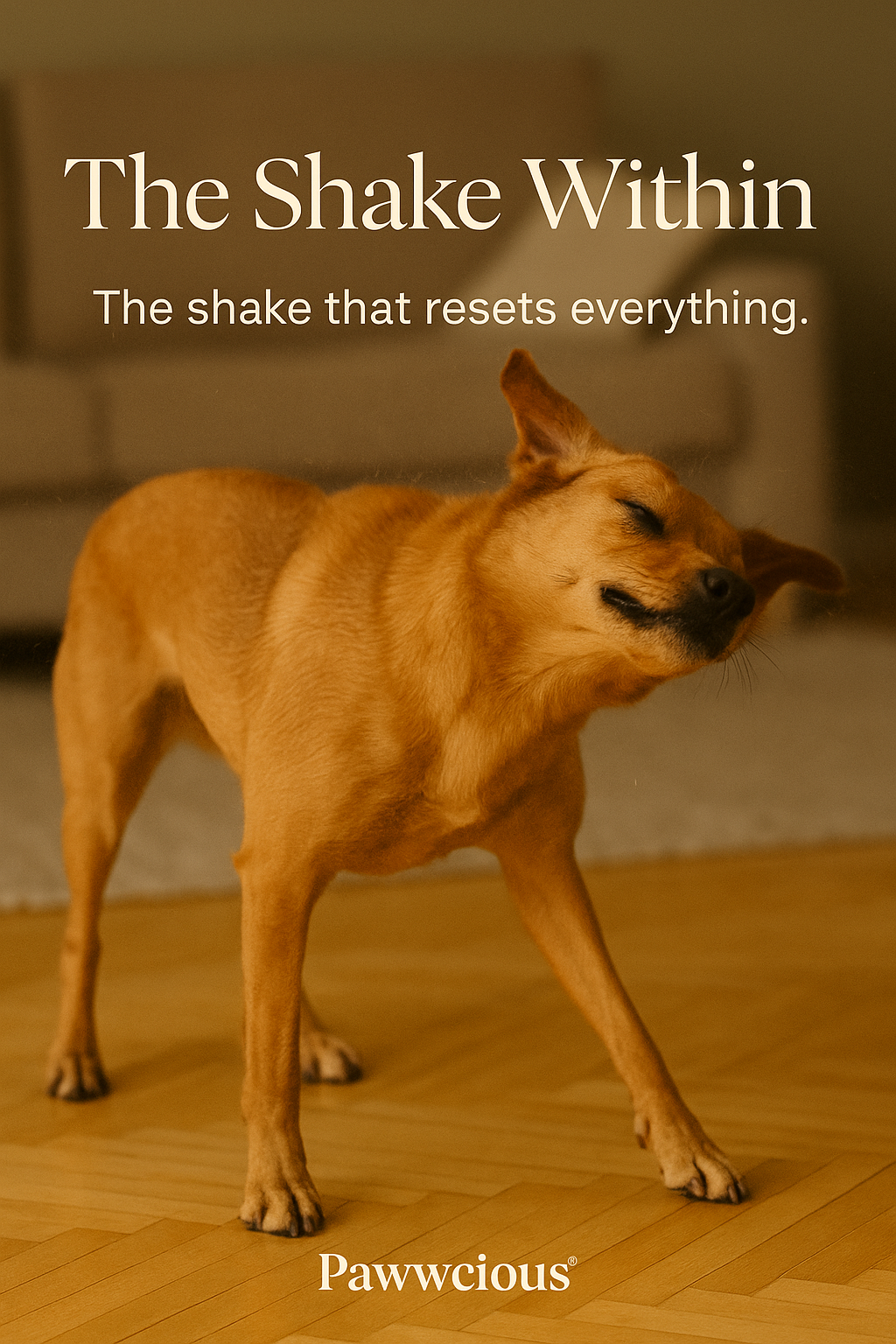
How a Simple Body Shake Helps Pets Release Stress Instantly
A quick full-body shake may look simple, but it’s a powerful emotional reset for pets. Here’s how shaking helps them release stress instantly.
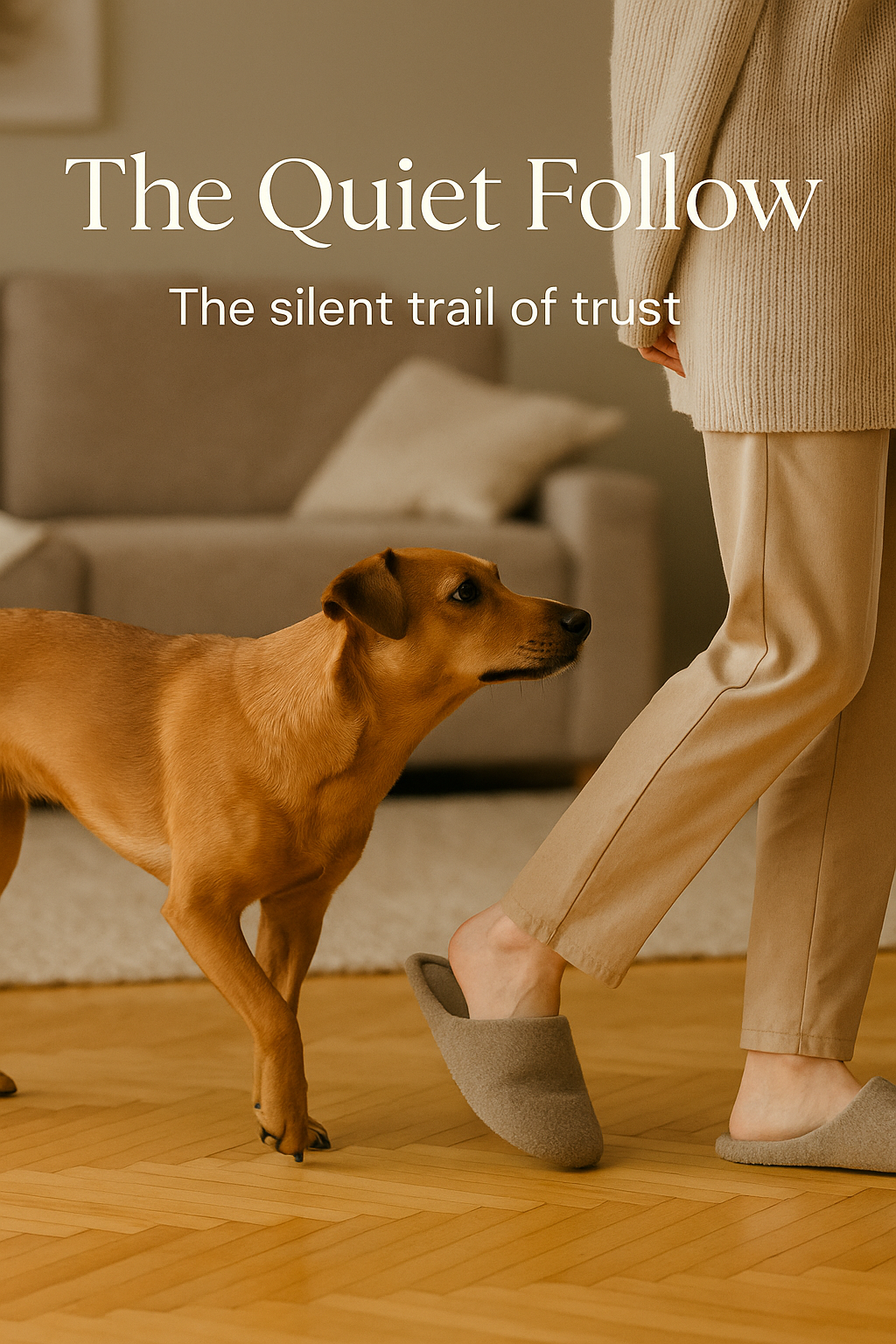
Why Pets Trail You Silently Around the House
When pets trail you quietly around the home, it’s more than curiosity. This simple act reflects deep trust, emotional bonding, and a desire for connection.
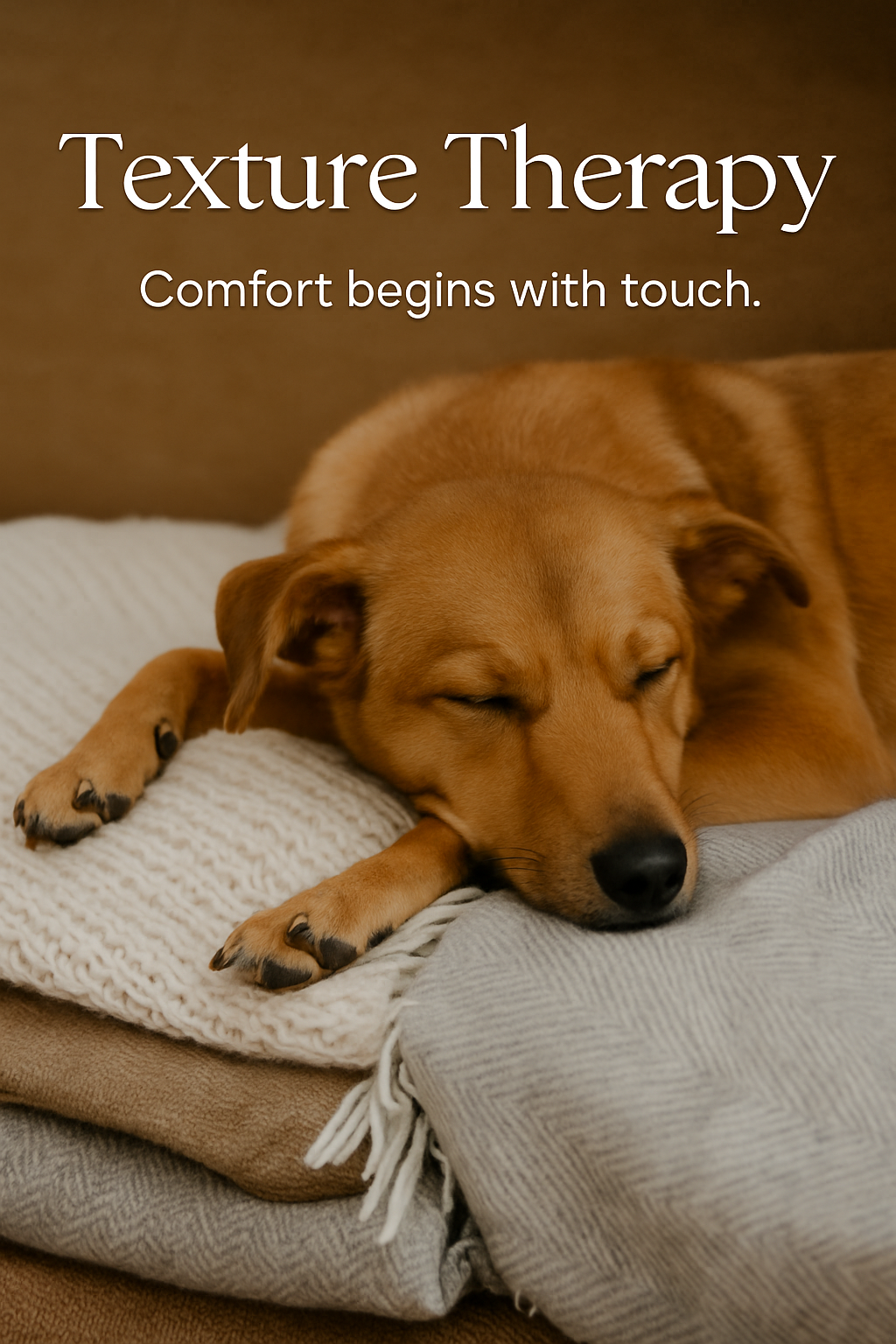
How Different Surfaces Calm, Energize, or Stress Your Pet
Textures affect your pet’s mood more than you think. Soft, rough, cool, or natural surfaces shape comfort, stress levels, and energy.
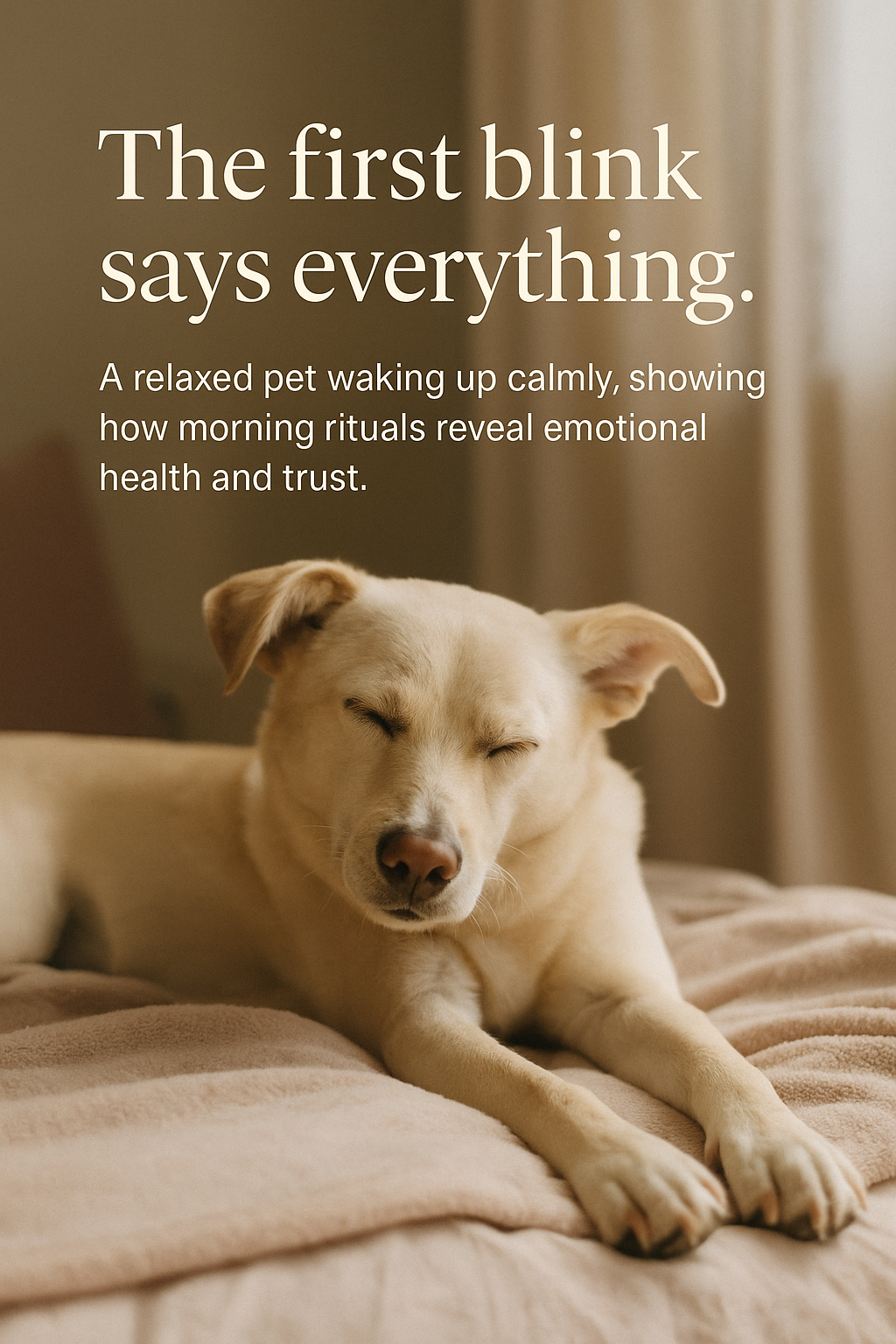
What Your Pet’s Waking Ritual Reveals About Their Emotional Health
Pets communicate their emotional state through tiny waking rituals. The first blink, stretch, or nuzzle shows trust, comfort, and connection.
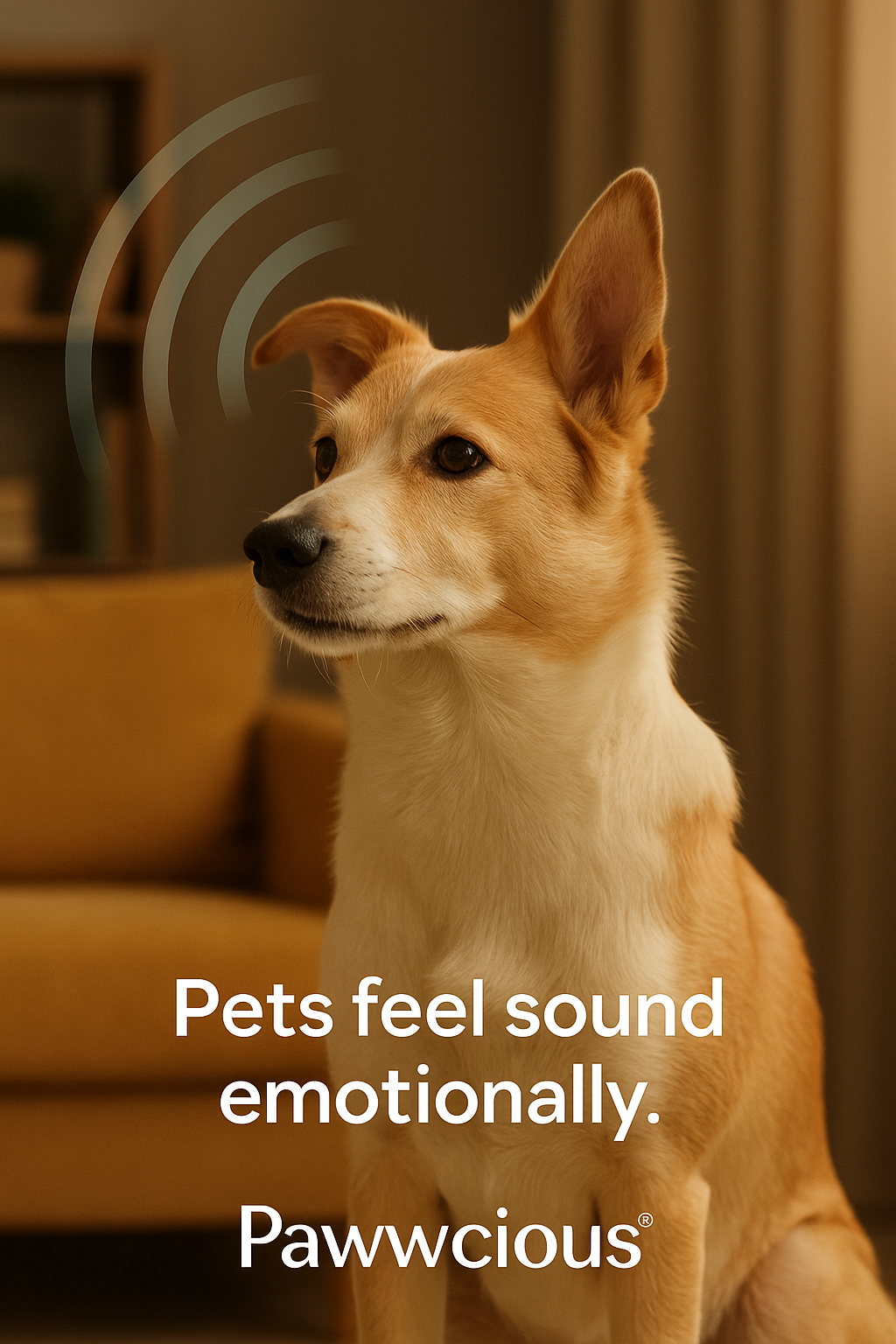
Soundprint -How Household Sounds Shape Your Pet’s Emotions
Pets don’t just hear sounds — they feel them. Everyday noises leave “soundprints” that influence their emotions, stress levels, and trust.
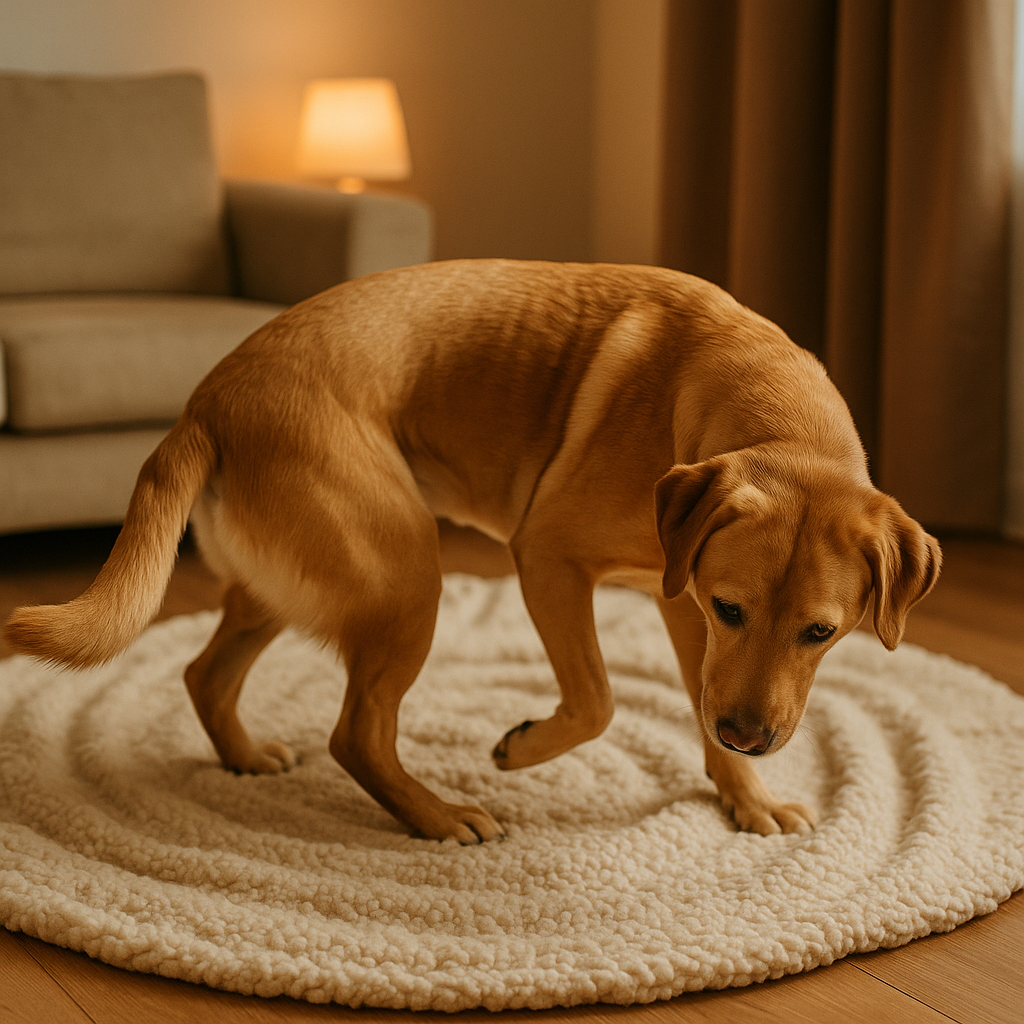
The Comfort Loop: How Pets Repeat Small Behaviors to Self-Soothe and Feel Emotionally Secure
Pets repeat tiny habits to feel secure. These “comfort loops” help them calm their minds and create emotional stability. Here’s how to understand them.
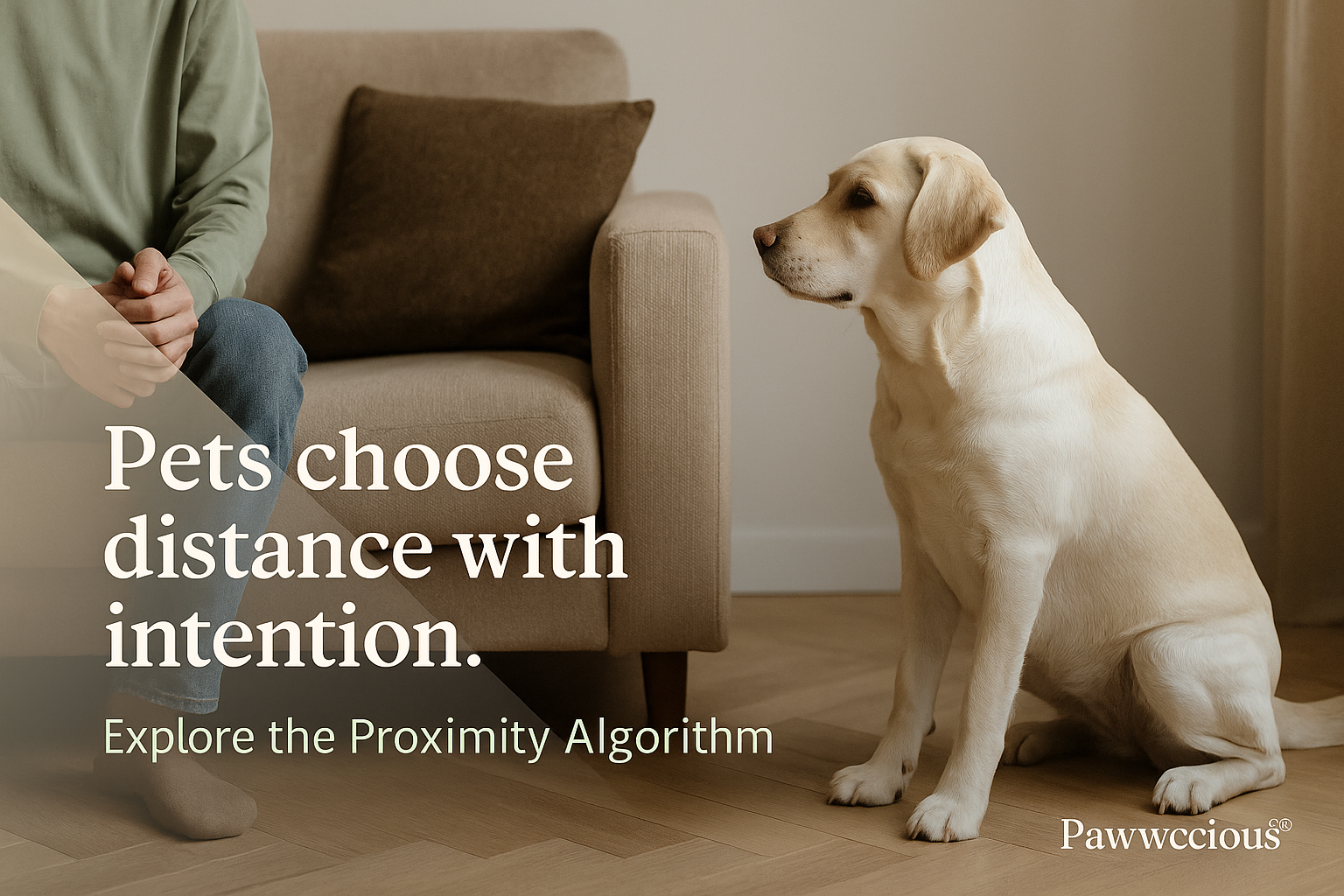
How Pets Calculate Ideal Distance for Bonding, Safety & Emotional Comfort
Your pet’s distance from you — whether 1 foot or 6 feet — is a purposeful emotional choice. The Proximity Algorithm describes how pets calculate their ideal bonding and safety radius. Through trust radius, social gravity, observation distance, and stranger buffering, pets constantly adjust their position to match their emotional comfort. This Pawwcious® guide explores the physics behind closeness and space, revealing why pets drift toward you, maintain gentle distance, or reposition during bonding moments.