
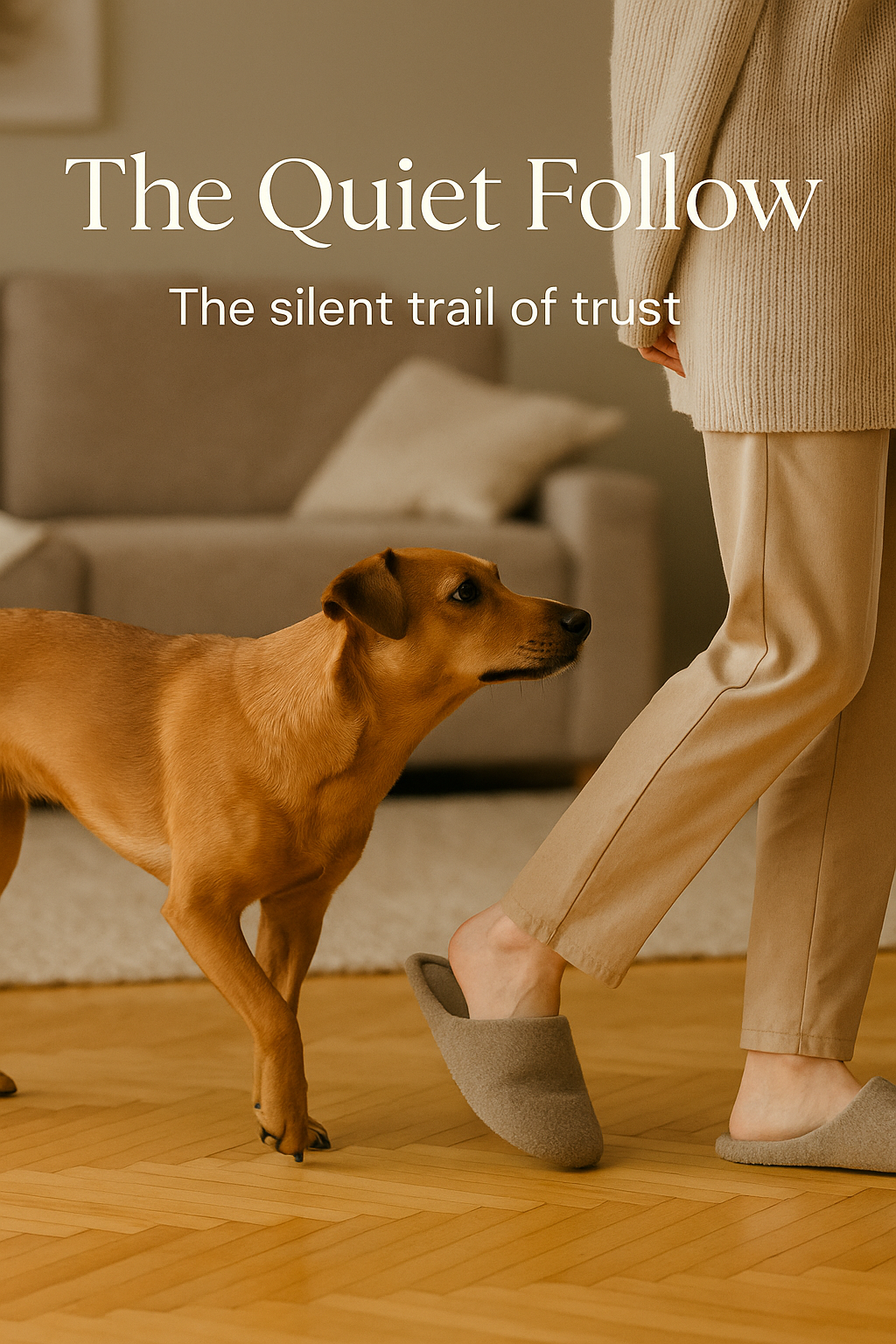
When pets trail you quietly around the home, it’s more than curiosity. This simple act reflects deep trust, emotional bonding, and a desire for connection.

How Different Surfaces Calm, Energize, or Stress Your Pet
Textures affect your pet’s mood more than you think. Soft, rough, cool, or natural surfaces shape comfort, stress levels, and energy.
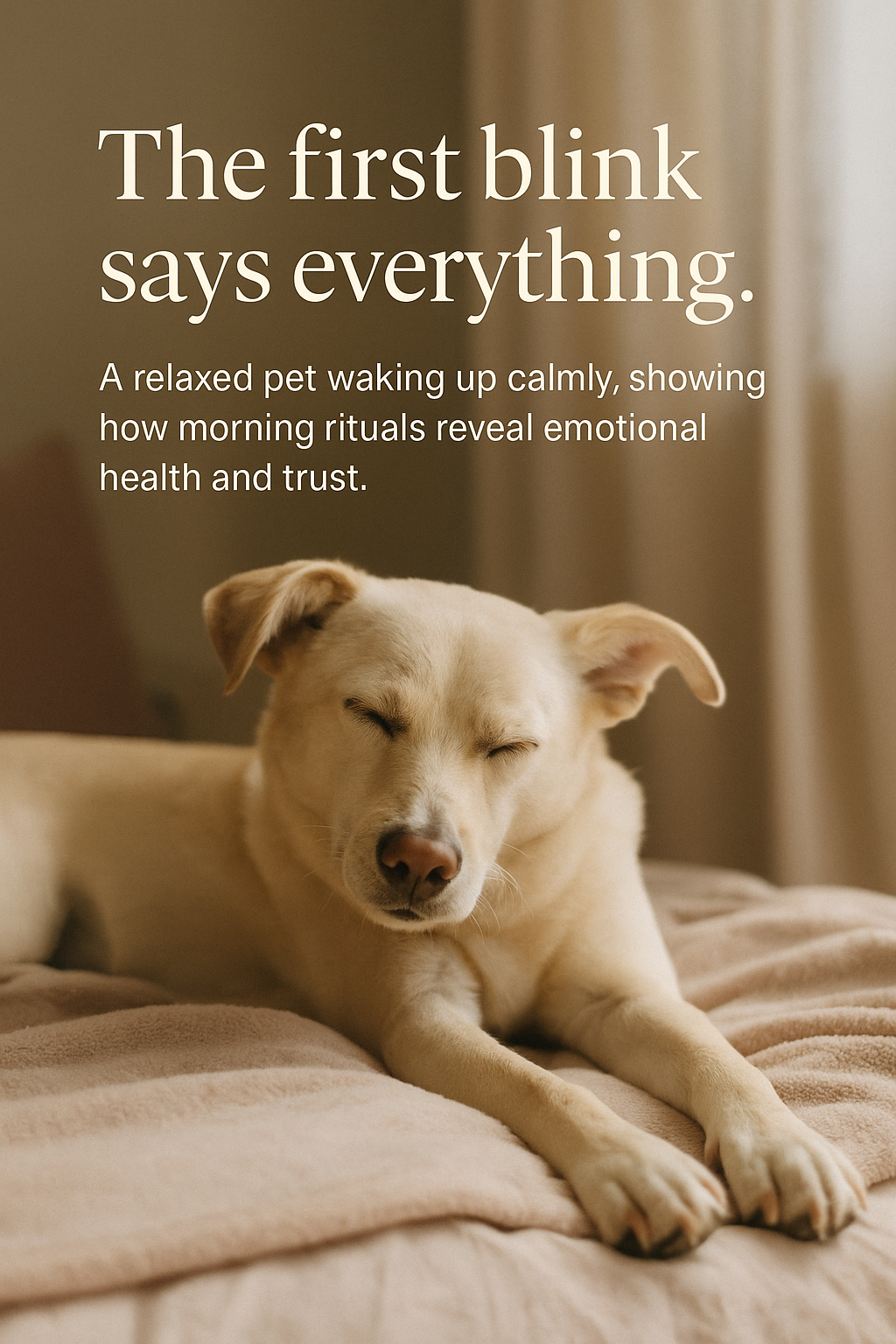
What Your Pet’s Waking Ritual Reveals About Their Emotional Health
Pets communicate their emotional state through tiny waking rituals. The first blink, stretch, or nuzzle shows trust, comfort, and connection.
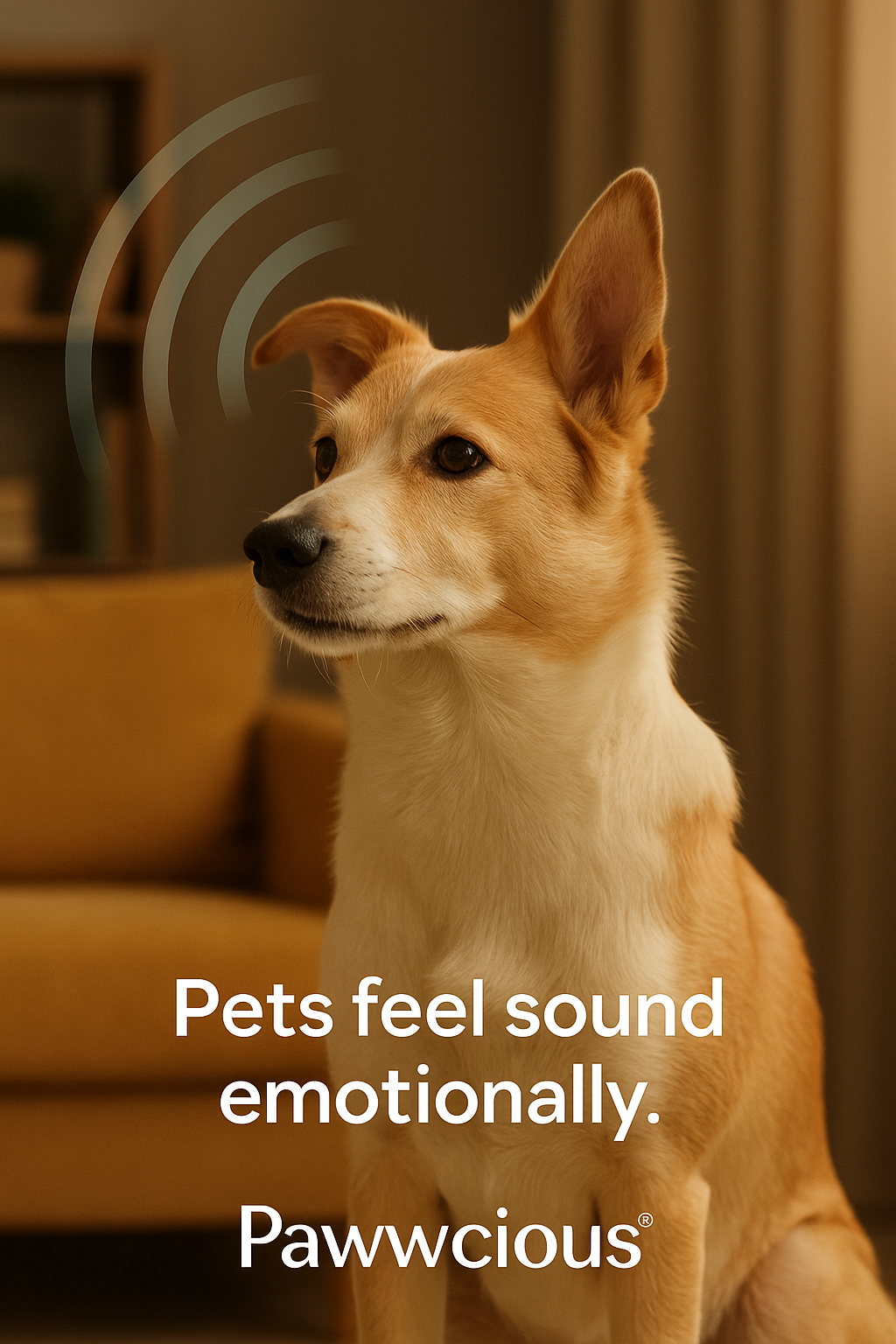
Soundprint -How Household Sounds Shape Your Pet’s Emotions
Pets don’t just hear sounds — they feel them. Everyday noises leave “soundprints” that influence their emotions, stress levels, and trust.

The Comfort Loop: How Pets Repeat Small Behaviors to Self-Soothe and Feel Emotionally Secure
Pets repeat tiny habits to feel secure. These “comfort loops” help them calm their minds and create emotional stability. Here’s how to understand them.
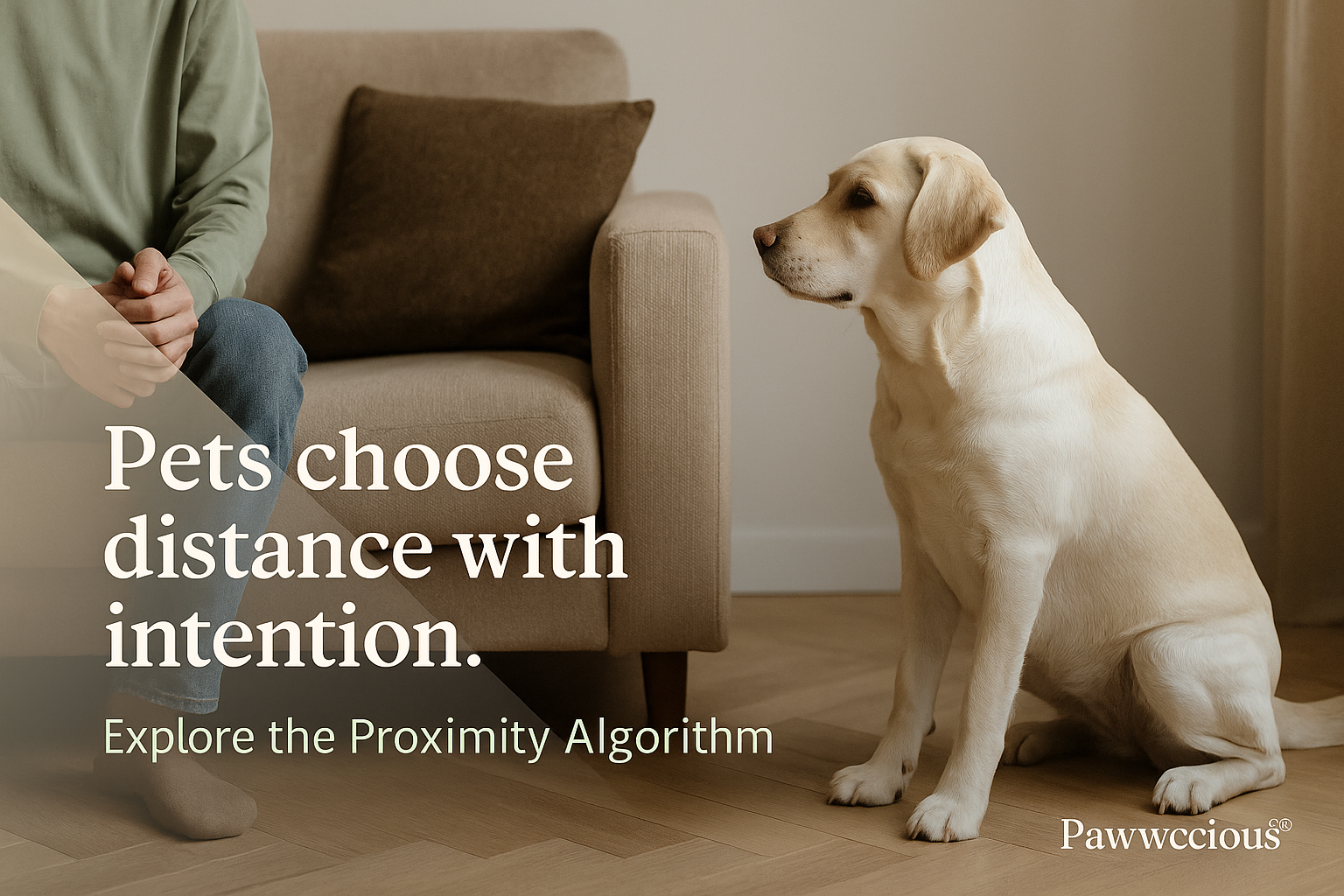
How Pets Calculate Ideal Distance for Bonding, Safety & Emotional Comfort
Your pet’s distance from you — whether 1 foot or 6 feet — is a purposeful emotional choice. The Proximity Algorithm describes how pets calculate their ideal bonding and safety radius. Through trust radius, social gravity, observation distance, and stranger buffering, pets constantly adjust their position to match their emotional comfort. This Pawwcious® guide explores the physics behind closeness and space, revealing why pets drift toward you, maintain gentle distance, or reposition during bonding moments.

The Decision Cost Code: How Pets Evaluate Effort vs Reward Before Every Action
Pets don’t act impulsively — they evaluate effort and reward before every movement. The Decision Cost Code explains how pets subconsciously calculate energy expenditure, reward value, distance, physical difficulty, and success probability. This Pawwcious® guide uncovers the hidden cognitive economics behind your pet’s micro-decisions.
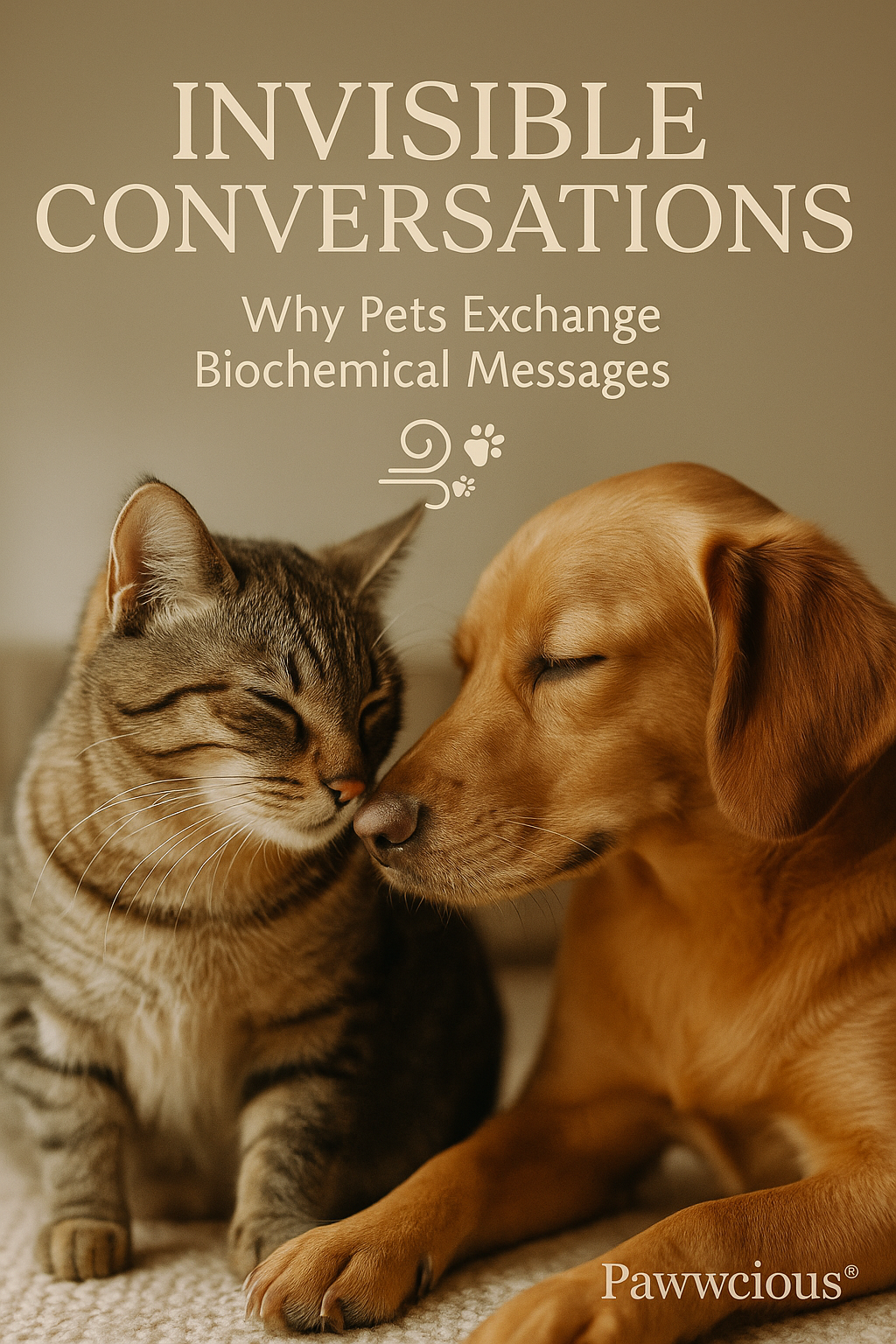
Invisible Conversations: How Pets Exchange Chemical Messages Without Making a Sound
Pets communicate through silent chemical exchanges, using skin secretions, paw-pad chemical trails, breath molecules, and coat oils. These biochemical messages reveal emotional states, identity, safety signals, and social openness. This Pawwcious® guide explains the invisible world of chemical communication.
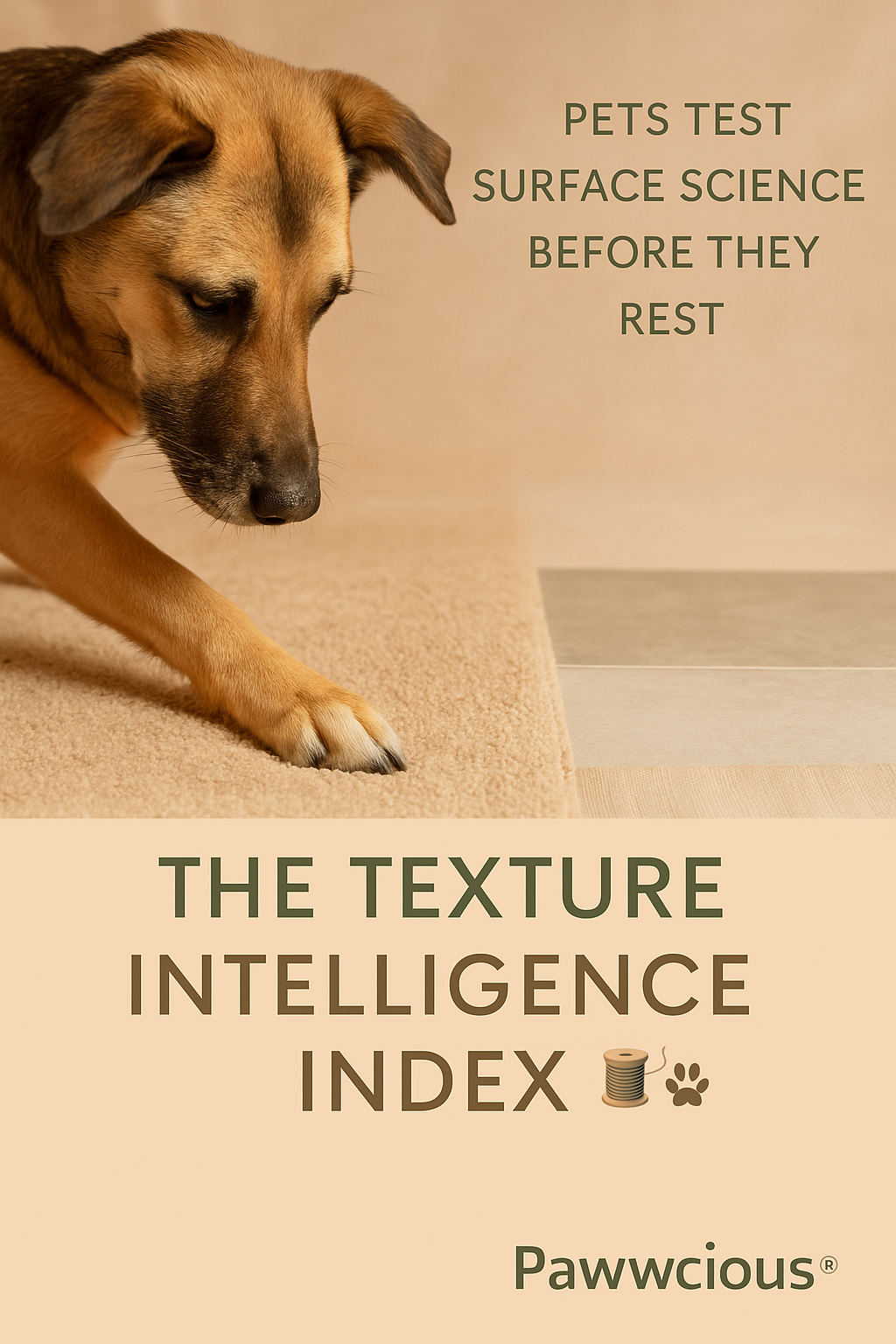
How Pets Scientifically Evaluate Surfaces Before Sitting or Sleeping
Your pet’s surface choices aren’t based on comfort alone — they are driven by a sophisticated internal system we call the Texture Intelligence Index. Before sitting or sleeping, pets evaluate texture using principles of material science: fiber density, vibration absorption, heat diffusion, and compression response. Each tap, circle, or paw-press reveals a micro-analysis of how safe, stable, and temperature-balanced the surface is. From tiles that cool quickly to fabrics that distribute weight gently, pets instinctively select surfaces that protect joints, minimize sensory overload, and maintain steady body temperature. This Pawwcious® guide explores the unseen science behind your pet’s resting decisions — and how their hidden intelligence shapes where they feel most supported and secure.
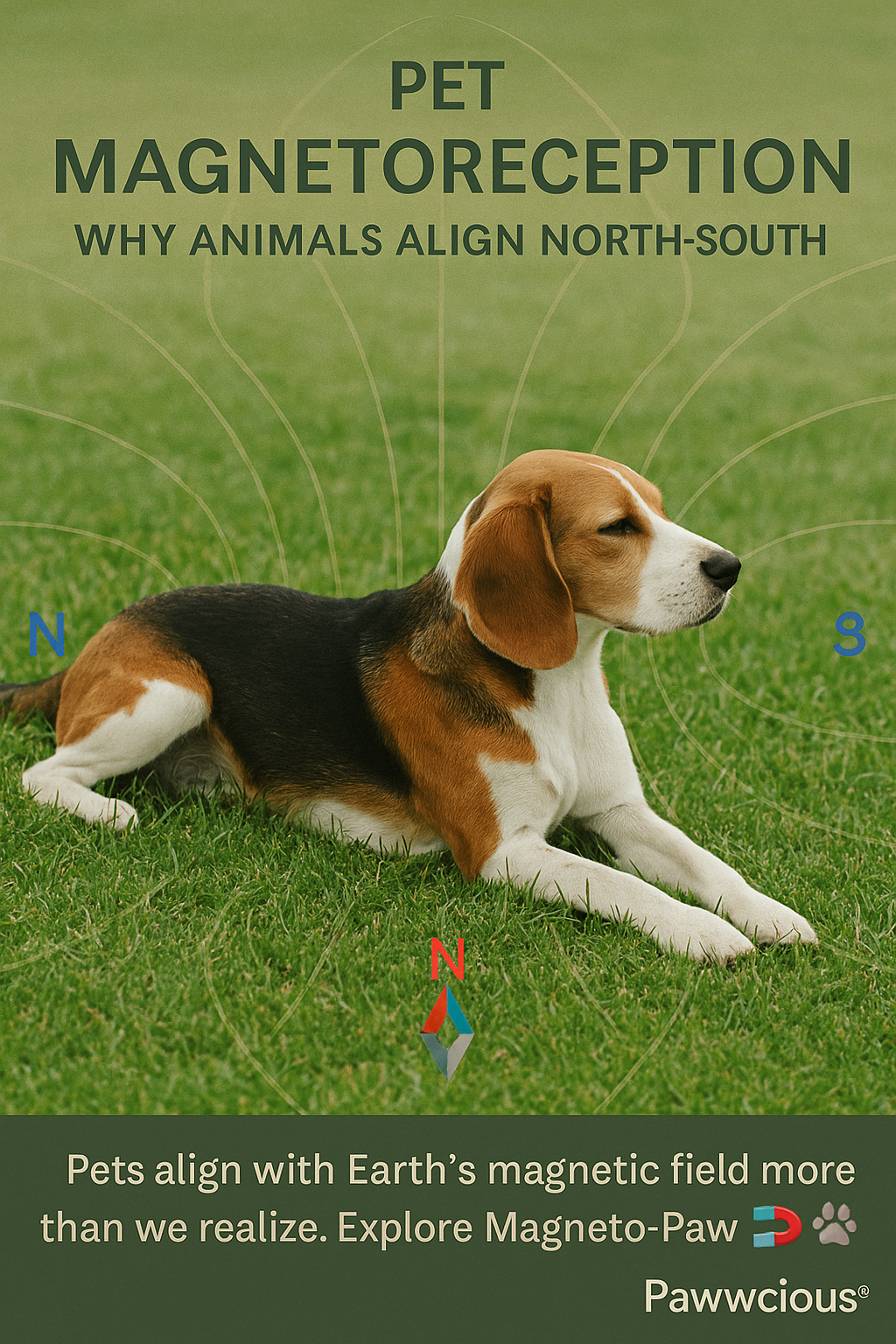
How Pets Subconsciously Align with Earth’s Magnetic Field Indoors and Outdoors
Your pet may be using an ancient biological compass you’ve never noticed — the ability to sense Earth’s magnetic field. Known as magnetoreception, this subtle perception helps pets orient themselves both indoors and outdoors. Dogs often align their bodies north–south when resting, as this reduces internal electrical noise and promotes deeper calm. Pets may also detect magnetic disturbances before a storm arrives, explaining sudden restlessness or alert behavior. Even during walks, subtle pauses or reorientation moments can reflect magnetic recalibration. Inside the home, pets naturally avoid electro-magnetic hotspots created by wiring, Wi-Fi, or metal structures. This Pawwcious® guide uncovers the unseen electromagnetic world your pet interacts with daily — offering a deeper understanding of their instincts and comfort choices.