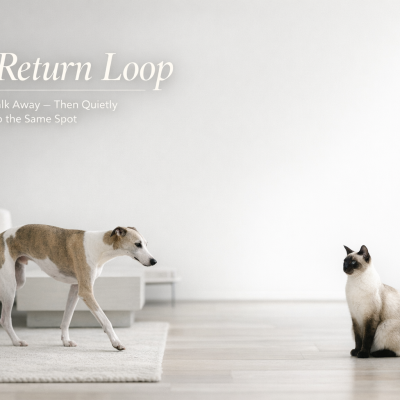

Have you noticed your pet start the day on a cozy bed, later move to the sofa, and then lie flat on the floor or tiles?
This behaviour — known as the floor choice — is a natural way pets regulate comfort, temperature, and emotions.
Pets don’t rest randomly. They adjust.
1️⃣ Temperature Regulation Comes First
As the day warms up, soft beds may feel too warm. Cool floors or tiles help pets lower body temperature naturally without effort.
This is especially common in afternoon hours.
2️⃣ Pressure Relief for the Body
Harder surfaces reduce pressure on joints, muscles, and the spine. Older pets or large breeds often choose the floor to relieve physical strain.
3️⃣ Sensory Reset
Soft textures stimulate relaxation, but too much softness can cause sensory overload. Switching to a firm surface helps pets rebalance their nervous system.
4️⃣ Emotional Self-Soothing
When pets feel overstimulated or restless, grounding themselves on the floor provides emotional stability. It’s calming, not avoidance.
5️⃣ Environmental Awareness
Pets choose spots based on airflow, light, noise, and activity. A floor spot often offers visibility and quiet at the same time.
What the Floor Choice Tells You
- Calm movement between spots = healthy self-regulation
- Repeated floor preference = heat, comfort, or joint relief
- Constant restlessness = possible stress or discomfort
The pattern matters more than the place.
How Pet Parents Can Support This
- Offer multiple resting options (bed, mat, rug, floor space)
- Avoid forcing pets back to beds
- Keep floors clean and cool
- Observe timing — morning vs afternoon vs evening
Let your pet decide what feels best.
Why This Behavior Matters
Changing resting spots is your pet’s way of saying:
“I know how to take care of myself.”
The floor choice reflects awareness, comfort intelligence, and emotional balance — signs of a well-regulated pet.
Sometimes, wellness isn’t about adding more — it’s about allowing choice.