Why Pets Release a Deep Breath When They Finally Feel Safe
1️⃣ A Sigh Is a Nervous System Reset
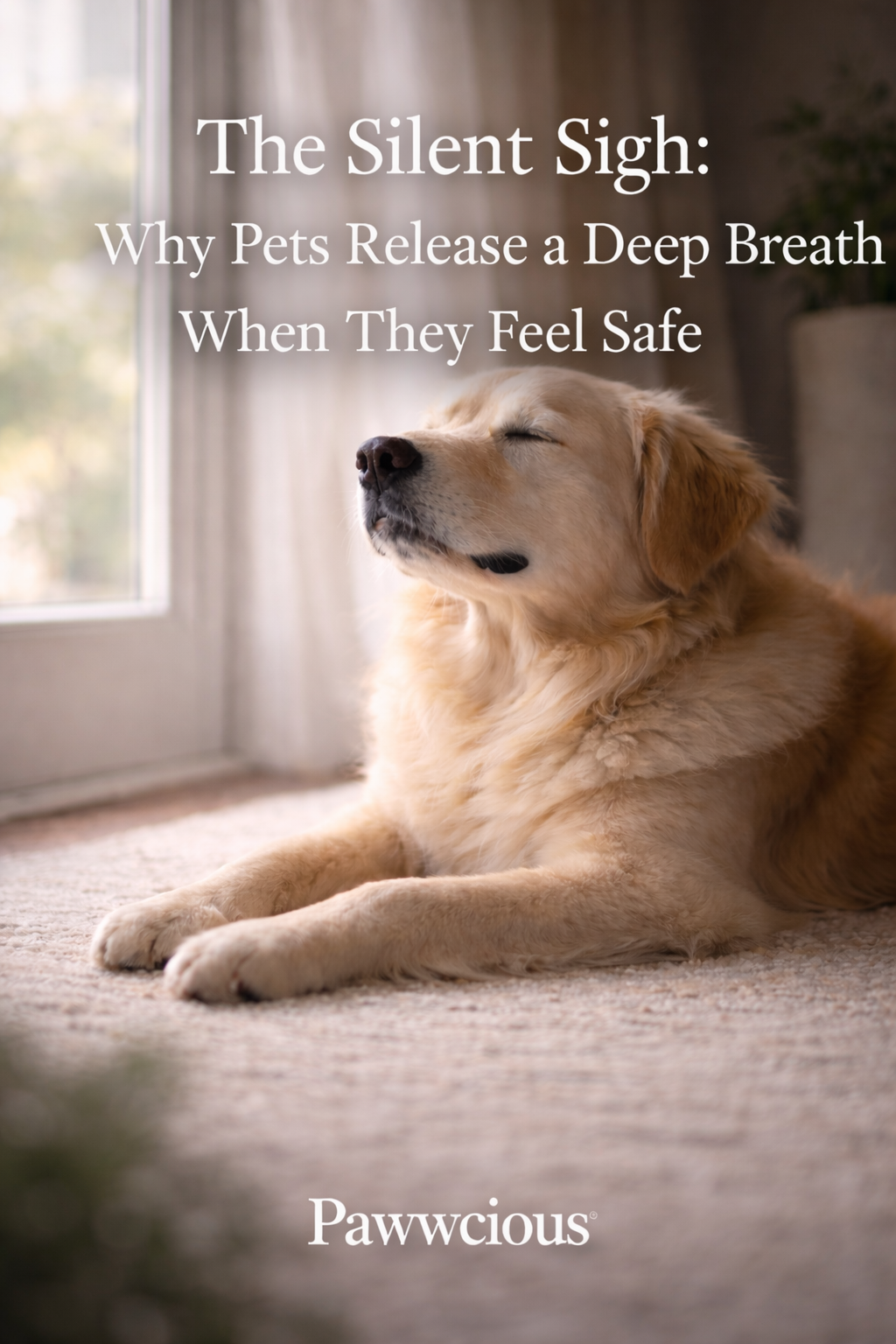
Sighing helps pets shift from alertness to relaxation.
It releases built-up tension in the chest and shoulders and slows the heart rate.
This breath tells the body: “I can relax now.”
2️⃣ Why Sighs Often Come After Stress
You’ll notice sighs:
- After visitors leave
- After travel or noise
- Before sleep
- After settling into a familiar space
The sigh marks the end of vigilance.
3️⃣ Emotional Relief Without Drama
Pets don’t verbalise relief — they breathe it out.
The silent sigh is how pets release emotional weight without movement, sound, or behaviour change.
It’s relief in its purest form.
4️⃣ Why Pets Don’t Always Sleep After Sighing
Sighing doesn’t mean exhaustion.
It means balance.
Pets may sigh and remain awake, simply enjoying the comfort of safety without needing sleep.
5️⃣ When Sighing Is a Good Sign
A relaxed body + deep sigh = emotional security
A tense body + frequent sighs = overstimulation
Context matters more than frequency.
🐾 What the Silent Sigh Tells You
- Deep, slow breath = trust
- Soft posture = emotional release
- Calm stillness = safety
Your pet isn’t bored.
They’re relieved.
How Pet Parents Should Respond
- Don’t interrupt the moment
- Avoid sudden stimulation
- Let stillness complete the release
- Match their calm energy
Sometimes, comfort doesn’t need words.
Why the Silent Sigh Matters
That breath carries everything your pet didn’t express.
Stress released.
Guard lowered.
Safety confirmed.
In that quiet moment, your pet is telling you:
“I’m okay now.”
For more such Insights visit 👉www.pawwcious.com