
Why Pets Briefly Look Back at You Before Doing Ordinary Things
It happens so quickly you might miss it.
Your pet stands up.
Takes a step.
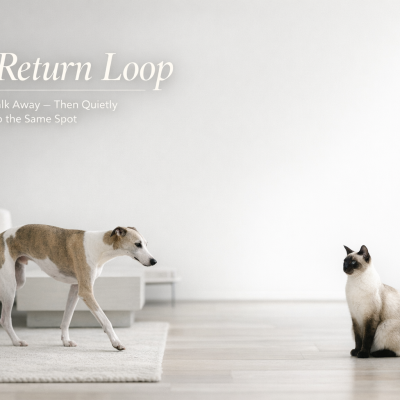
Pauses — just long enough to look back at you.
Then they continue on their way.
This fleeting moment is called the invisible check-in, and it’s one of the most understated signs of emotional bonding in pets.
1️⃣ It’s Not Permission-Seeking
When pets look back briefly, they’re not asking, “Is this allowed?”
They’re asking something quieter:
“You’re still there, right?”
This glance isn’t about approval — it’s about emotional reassurance.
2️⃣ Why the Look Is So Brief
If your pet felt unsure, the look would linger.
The invisible check-in is quick because:
- Trust already exists
- Reassurance is assumed
- The bond feels stable
The glance is confirmation, not concern.
3️⃣ Emotional Referencing in Pets
This behavior is known in psychology as emotional referencing.
Pets look to trusted figures to confirm emotional safety — even when nothing appears wrong.
It’s the same instinct that allows them to relax independently.
4️⃣ Dogs and Cats Do This Differently
- Dogs may glance back before lying down, leaving the room, or settling
- Cats often pause mid-step or mid-jump, look once, then continue
In both cases, the message is the same:
“We’re connected, even when I move away.”
5️⃣ When You’ll Notice the Invisible Check-In Most
This behavior appears:
- In familiar environments
- During calm routines
- When pets feel emotionally secure
- Before ordinary actions, not big decisions
It disappears when anxiety takes over.
🐾 What the Invisible Check-In Tells You
- Brief glance = emotional trust
- No hesitation = confidence
- Movement continues = independence
Your pet isn’t uncertain.
They’re anchored.
How Pet Parents Should Respond
- Don’t interrupt the moment
- Avoid calling them back unnecessarily
- Stay calm and present
- Let the glance pass naturally
Trust grows in quiet acknowledgement.
Why the Invisible Check-In Matters
This small look reveals something profound.
Your pet feels safe enough to move forward — because they know you’re there.
Connection doesn’t always ask for closeness.
Sometimes, it only asks for presence.