

Pets don’t act impulsively — they evaluate effort and reward before every movement. The Decision Cost Code explains how pets subconsciously calculate energy expenditure, reward value, distance, physical difficulty, and success probability. This Pawwcious® guide uncovers the hidden cognitive economics behind your pet’s micro-decisions.
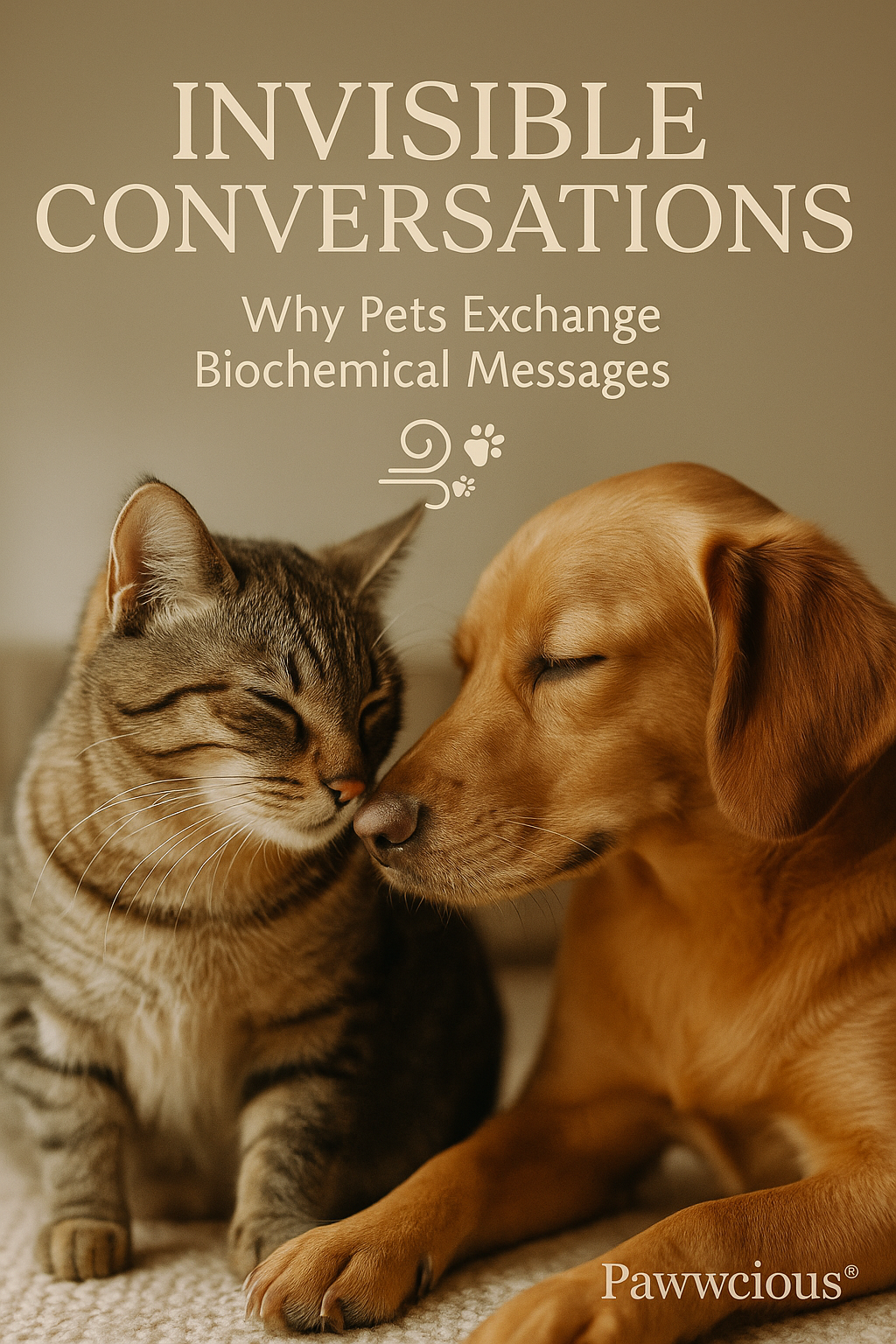
Invisible Conversations: How Pets Exchange Chemical Messages Without Making a Sound
Pets communicate through silent chemical exchanges, using skin secretions, paw-pad chemical trails, breath molecules, and coat oils. These biochemical messages reveal emotional states, identity, safety signals, and social openness. This Pawwcious® guide explains the invisible world of chemical communication.
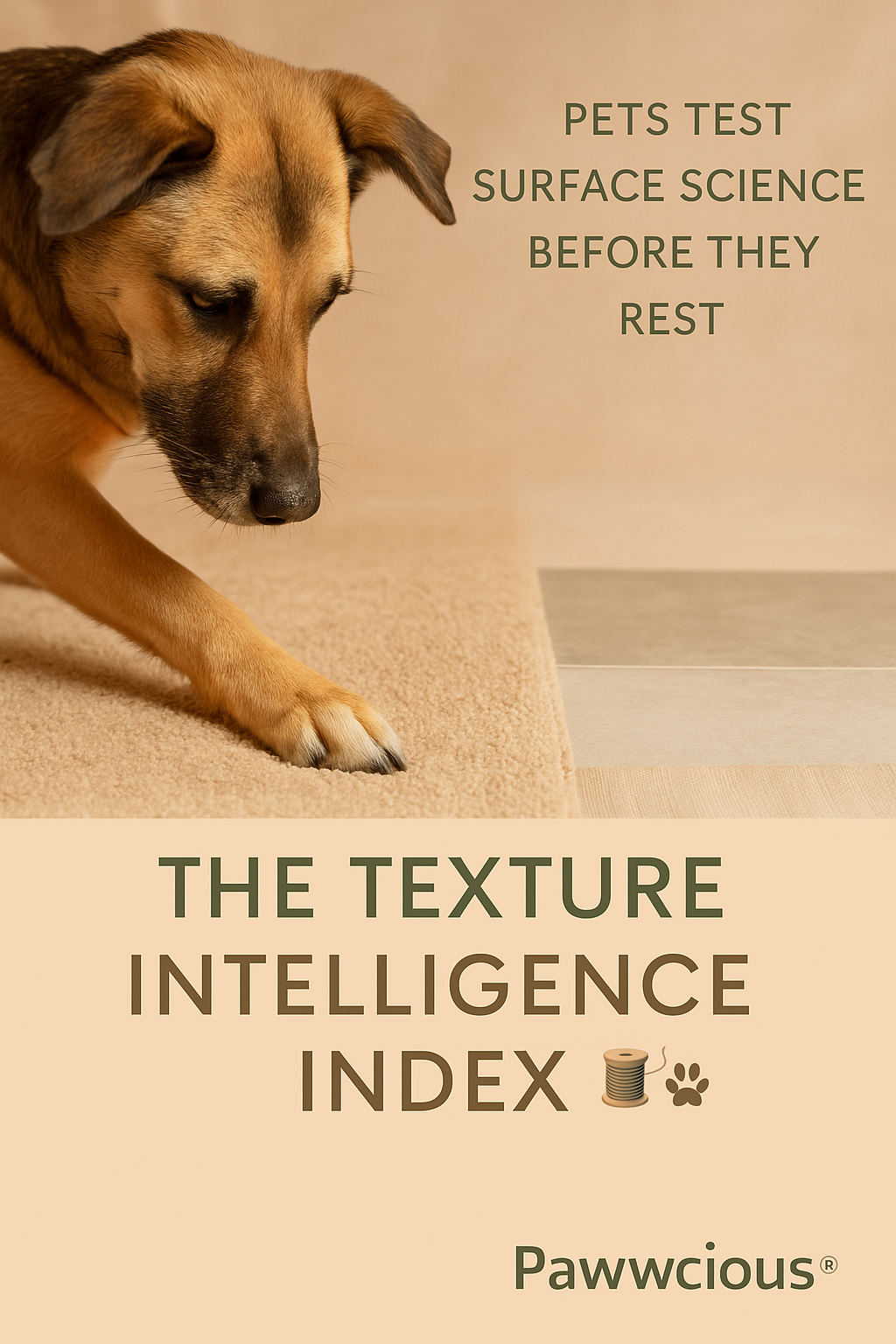
How Pets Scientifically Evaluate Surfaces Before Sitting or Sleeping
Your pet’s surface choices aren’t based on comfort alone — they are driven by a sophisticated internal system we call the Texture Intelligence Index. Before sitting or sleeping, pets evaluate texture using principles of material science: fiber density, vibration absorption, heat diffusion, and compression response. Each tap, circle, or paw-press reveals a micro-analysis of how safe, stable, and temperature-balanced the surface is. From tiles that cool quickly to fabrics that distribute weight gently, pets instinctively select surfaces that protect joints, minimize sensory overload, and maintain steady body temperature. This Pawwcious® guide explores the unseen science behind your pet’s resting decisions — and how their hidden intelligence shapes where they feel most supported and secure.
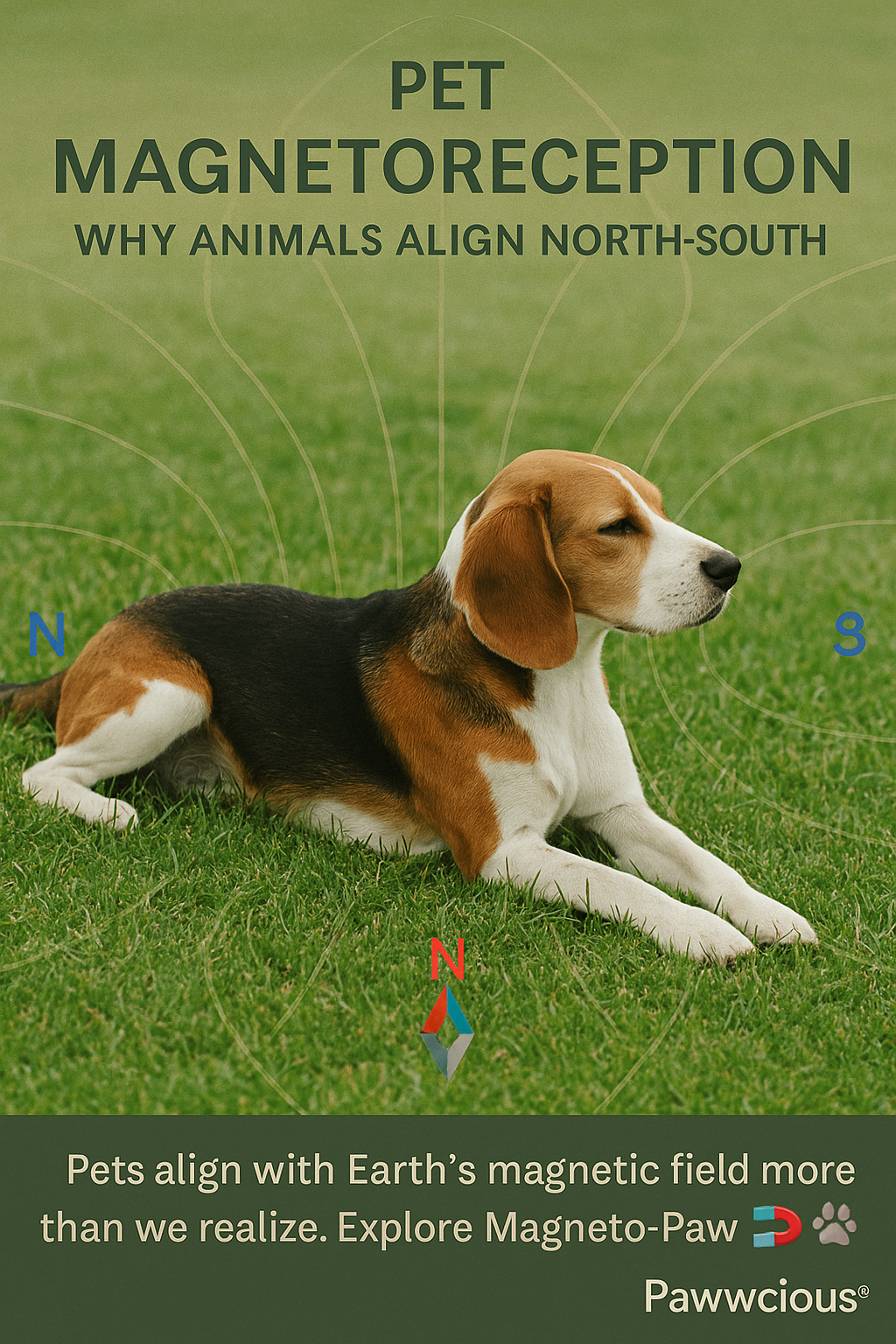
How Pets Subconsciously Align with Earth’s Magnetic Field Indoors and Outdoors
Your pet may be using an ancient biological compass you’ve never noticed — the ability to sense Earth’s magnetic field. Known as magnetoreception, this subtle perception helps pets orient themselves both indoors and outdoors. Dogs often align their bodies north–south when resting, as this reduces internal electrical noise and promotes deeper calm. Pets may also detect magnetic disturbances before a storm arrives, explaining sudden restlessness or alert behavior. Even during walks, subtle pauses or reorientation moments can reflect magnetic recalibration. Inside the home, pets naturally avoid electro-magnetic hotspots created by wiring, Wi-Fi, or metal structures. This Pawwcious® guide uncovers the unseen electromagnetic world your pet interacts with daily — offering a deeper understanding of their instincts and comfort choices.
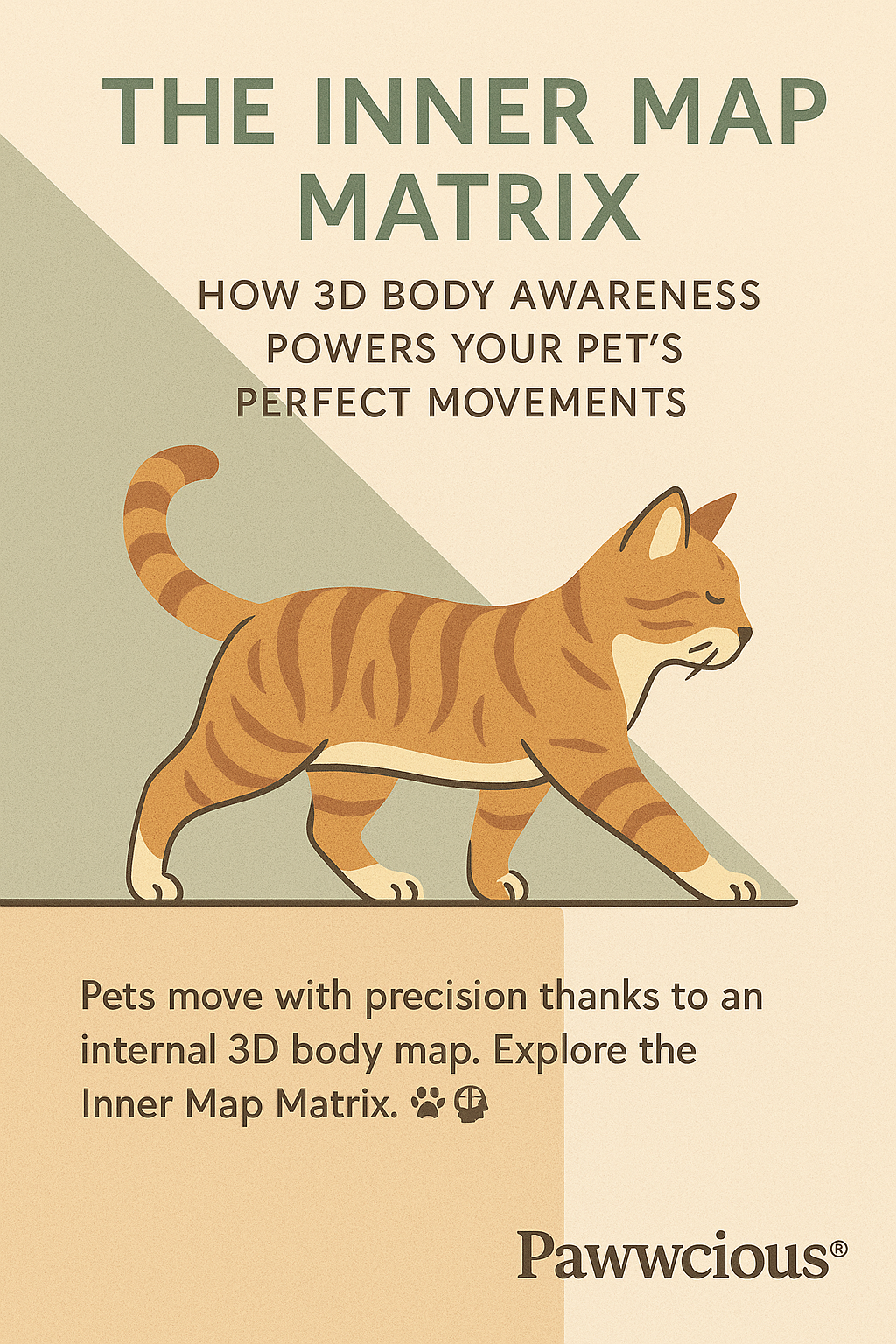
The Inner Map Matrix: How Pets Sense Their Body Position Without Looking
Pets move with remarkable precision, balancing, jumping, and navigating tight spaces with confidence — even without looking. This effortless grace comes from proprioception, the internal body-awareness system that creates a 3D map of every limb, joint, and muscle. Known as the Inner Map Matrix, this neural network constantly updates information about posture, pressure, and motion, allowing pets to make micro-adjustments in milliseconds. Whether your cat walks across a narrow ledge or your dog lands a perfect jump, their body already “knows” where each paw is before it touches the ground. This Pawwcious® guide reveals the hidden science behind proprioception and explains how this internal mapping system keeps your pet safe, stable, and naturally confident in every movement.
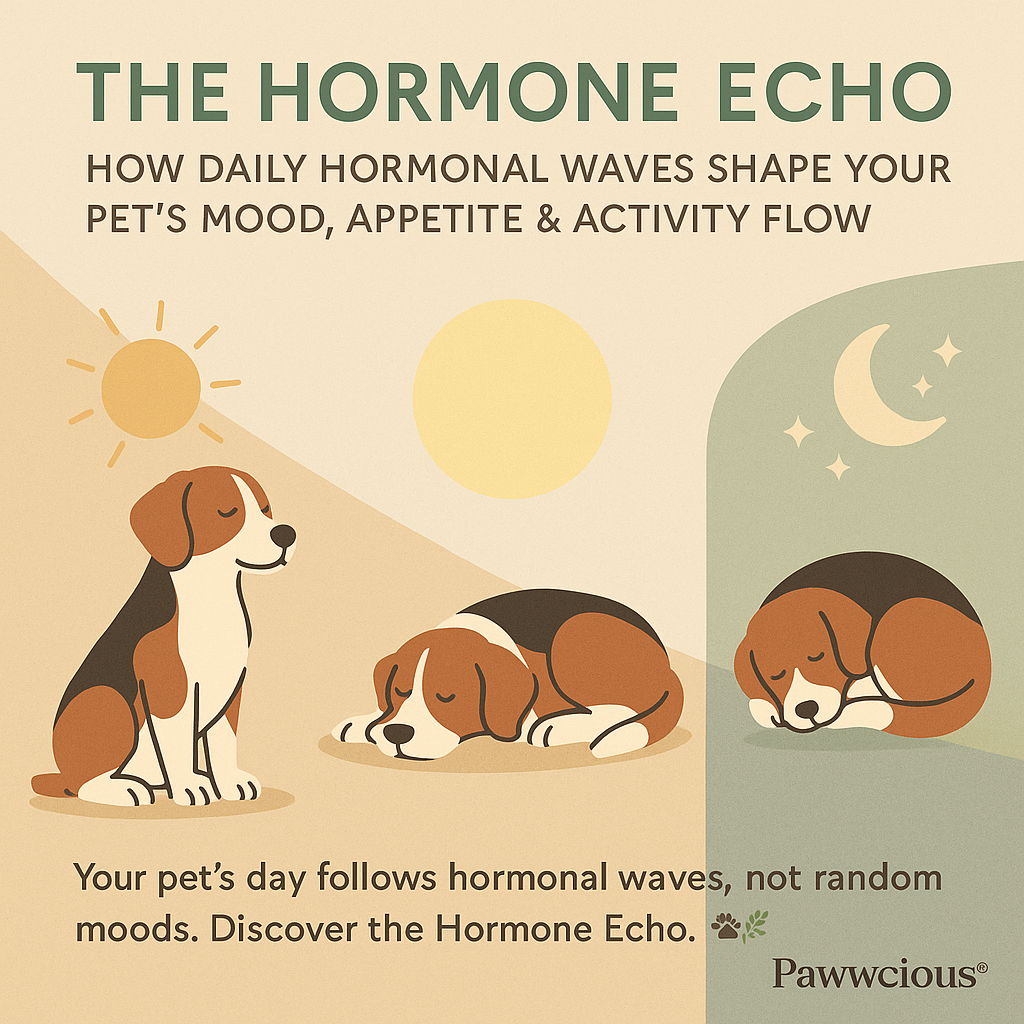
The Hormone Echo: How Daily Hormonal Waves Shape Your Pet’s Mood, Appetite & Activity Flow
Your pet’s daily behaviour isn’t random — it’s guided by a repeating cycle of hormonal waves that rise and fall throughout the day. These subtle chemical shifts shape everything from their morning alertness to their midday rest, evening appetite, and nighttime calm. Known as the Hormone Echo, this rhythm involves changes in cortisol, oxytocin, serotonin, ghrelin, and melatonin that influence mood, appetite, social bonding, and activity flow. When you understand these natural hormonal patterns, you can plan walks, meals, play sessions, training, and rest at the times when your pet’s body is naturally aligned for each. This Pawwcious® guide uncovers how daily hormone chemistry quietly orchestrates your pet’s routines — helping you support their wellness in the most biologically harmonious way.
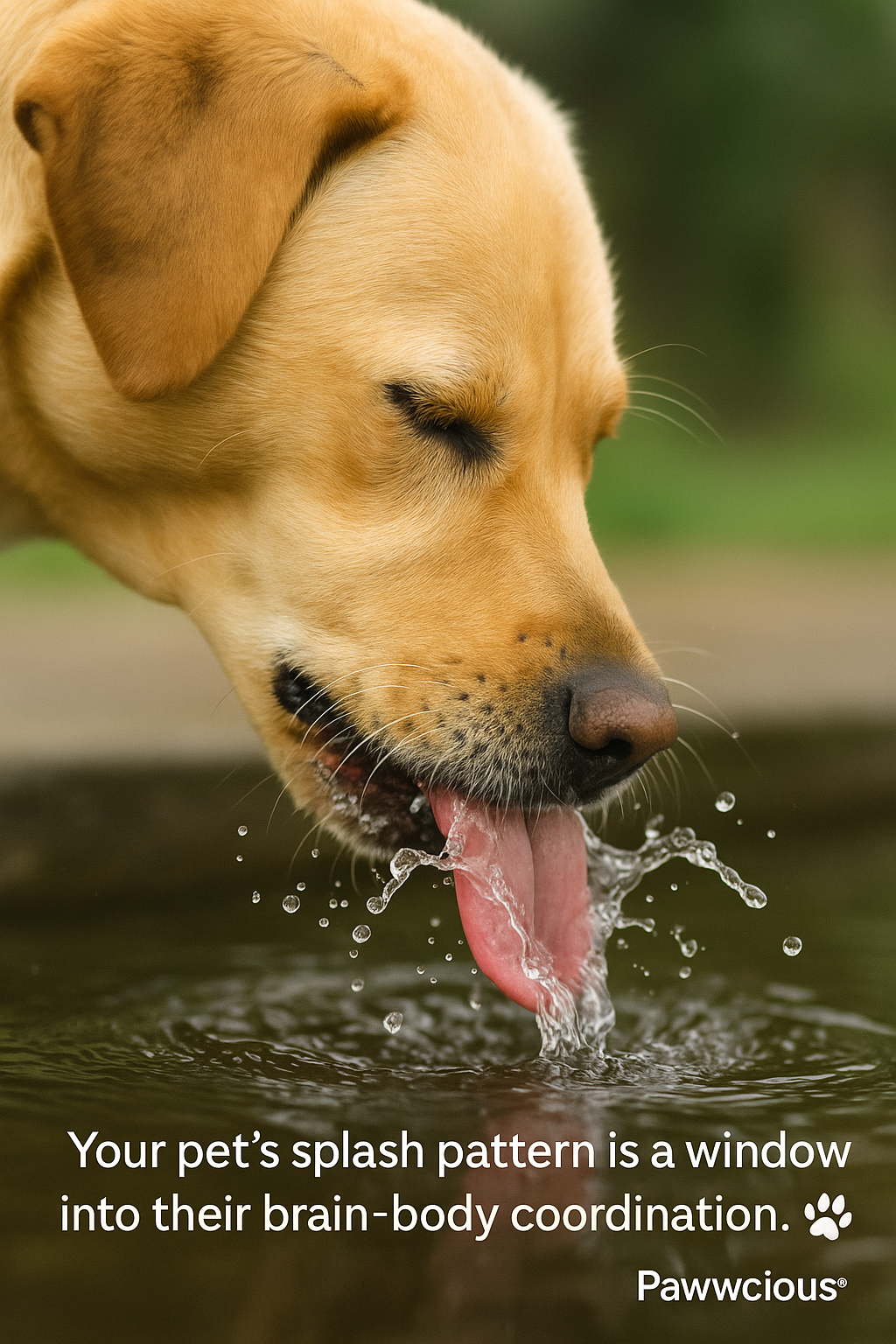
What Your Pet’s Drinking Style Reveals About Brain–Body Coordination
Every splash your pet makes while drinking holds a hidden pattern — a hydrodynamic signature that reveals how well their brain and body coordinate movement. Cats use elegant backward tongue curls to pull water without splashing, while dogs scoop water in rhythmic motions that create unique arcs. These drinking styles aren’t random; they reflect timing precision, neuromuscular rhythm, emotional state, and even posture stability. In this Pawwcious® guide, we decode what your pet’s splash pattern says about their coordination, balance, and natural drinking mechanics. By understanding the physics behind each sip, you gain a deeper look into your pet’s physical harmony.
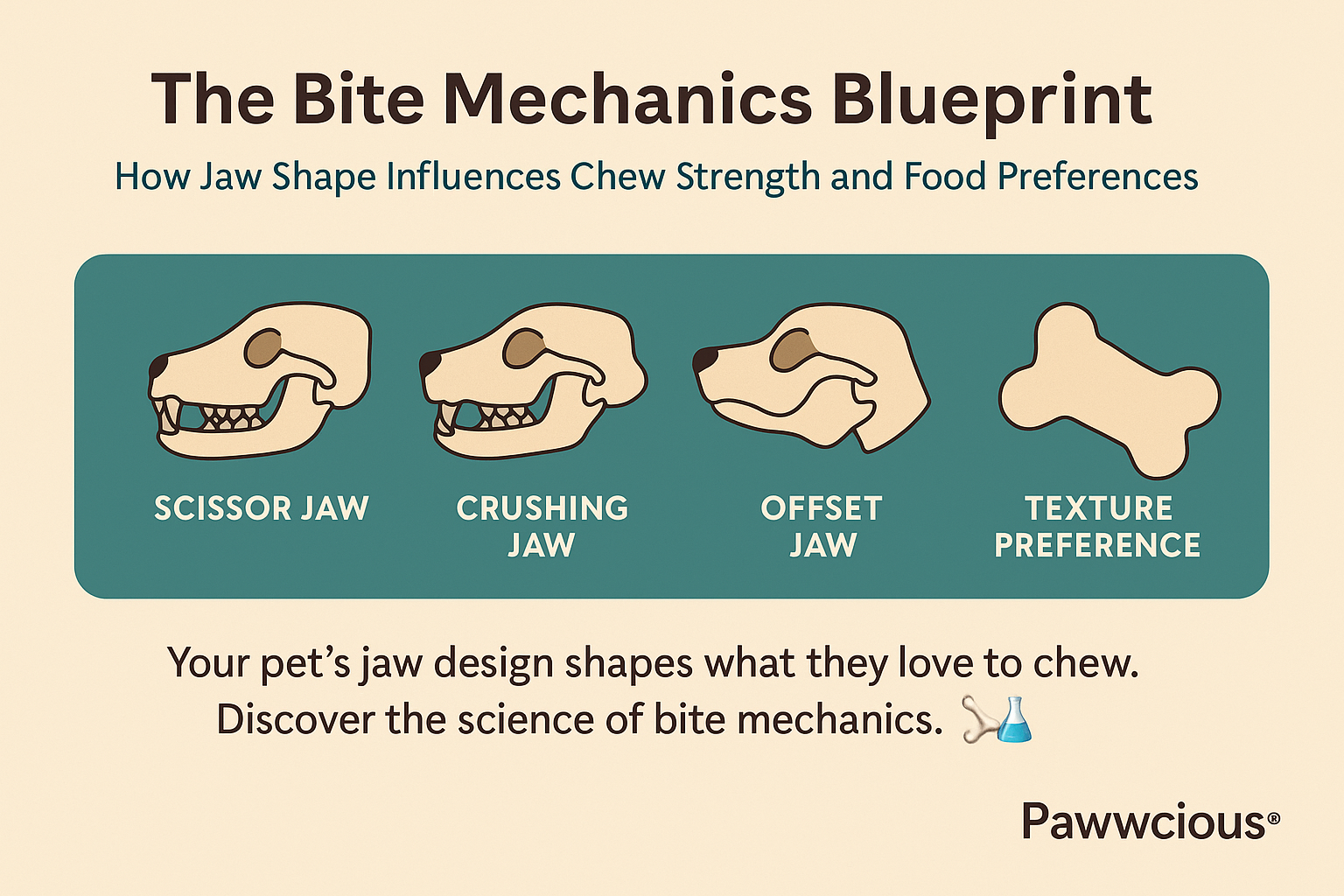
How Your Pet’s Jaw Shape Influences Chew Strength and Food Preferences
Your pet’s jaw isn’t just a tool for eating — it’s a biomechanical system shaped by evolution, designed for specific chewing styles and textures. Whether your pet has a scissor jaw, crushing jaw, or grinding jaw, their anatomy determines how much force they can generate, how they break down food, and what textures feel comfortable or stressful. In this Pawwcious® guide, we explore the physics behind chewing and how jaw mechanics influence food preferences, digestion, and long-term oral comfort. Understanding your pet’s bite blueprint helps you choose treats, textures, and chews that support natural motion and reduce unnecessary strain.
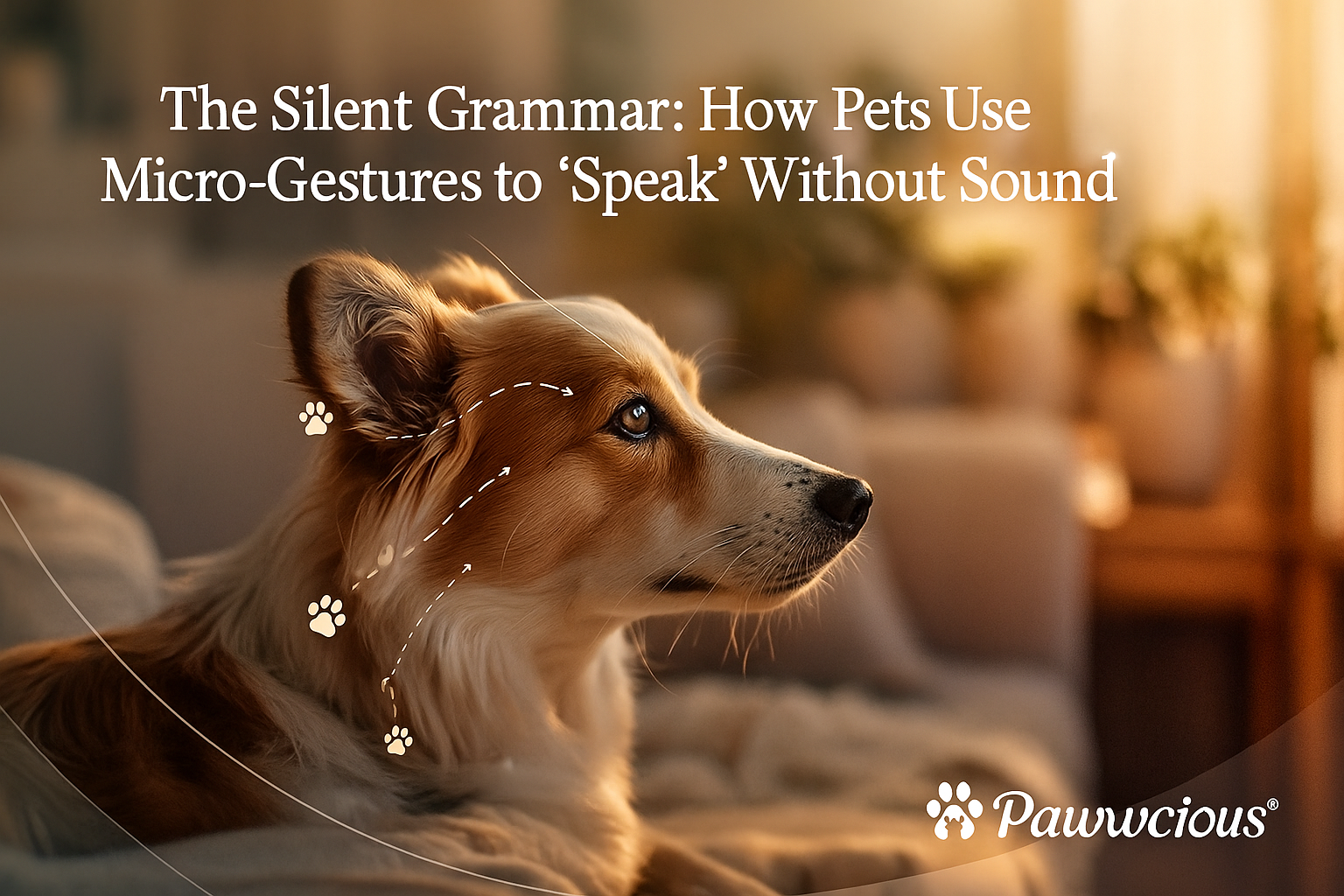
The Silent Grammar: How Pets Use Micro-Gestures to ‘Speak’ Without Sound
Pets communicate far more subtly than most people realize. Beyond barks, meows, and obvious body language, they use a structured system of tiny signals — eye flicks, ear angles, whisker shifts, paw lifts, and micro-movements — to express intention, curiosity, hesitation, and emotion. This Pawwcious® guide explores the fascinating world of “silent grammar,” the hidden linguistic rules behind these micro-gestures. Understanding this silent communication helps you read your pet more accurately, respond to their needs faster, and strengthen your bond through deeper awareness.

The Scent Archive — How Pets Store Smells as Long-Term Memories
Pets don’t store memories the way humans do — they remember through scent. Every smell your pet encounters becomes part of a deep, long-lasting “scent archive” inside their brain. From familiar people and places to emotional experiences, scents are stored as layered memory signatures that help your pet recognize comfort, predict safety, and build long-term bonds. This Pawwcious® guide explores how pets convert smells into memory, why emotional moments strengthen scent recall, and how scent layers help your pet remember you even after long separations.