
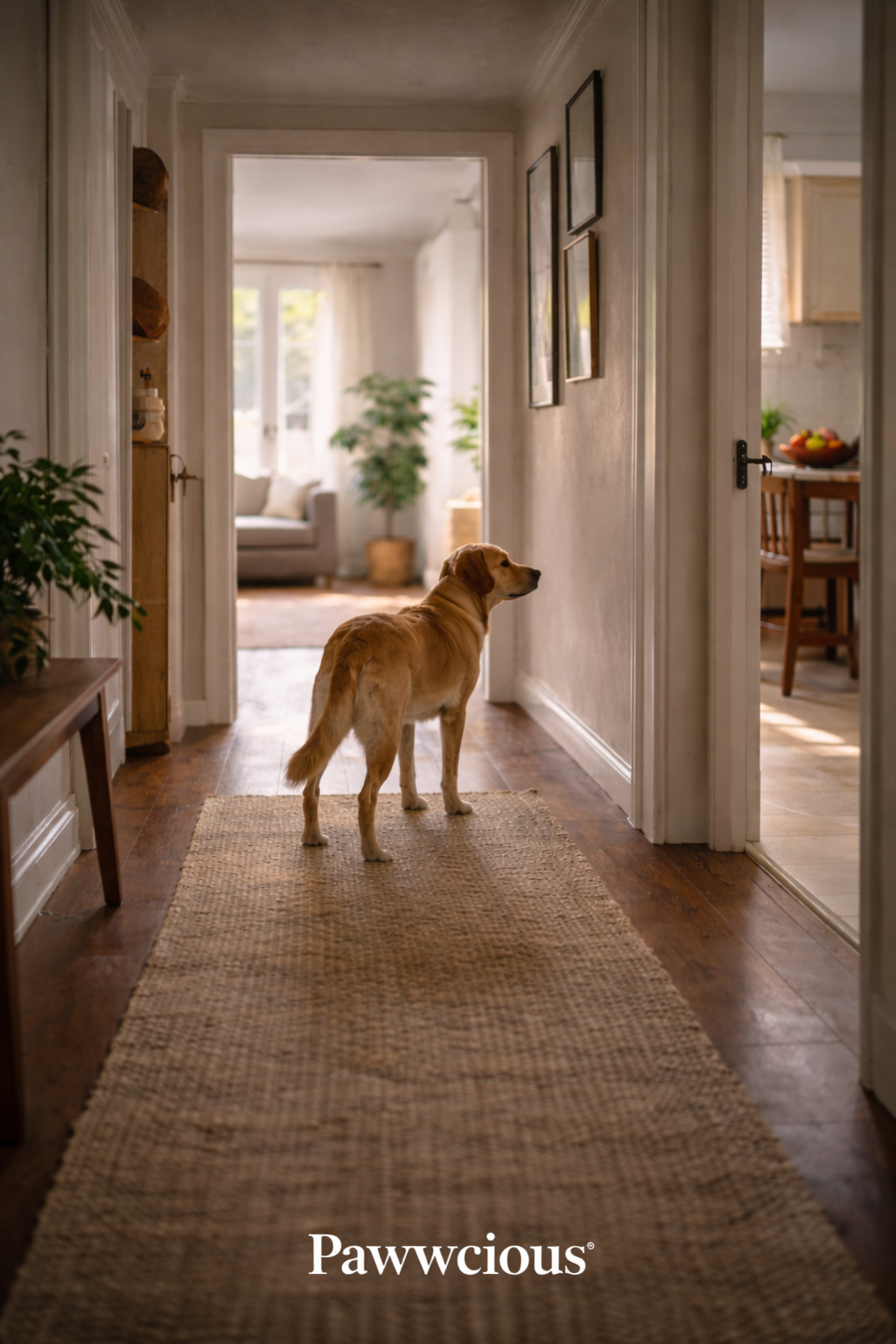
Hallways aren’t empty spaces for pets. They’re decision zones where pets process comfort, safety, and emotional readiness.

Why Pets Choose to Rest Near You but Not On You
Pets often rest close to their humans without touching. This behavior reflects trust, emotional balance, and independent bonding.
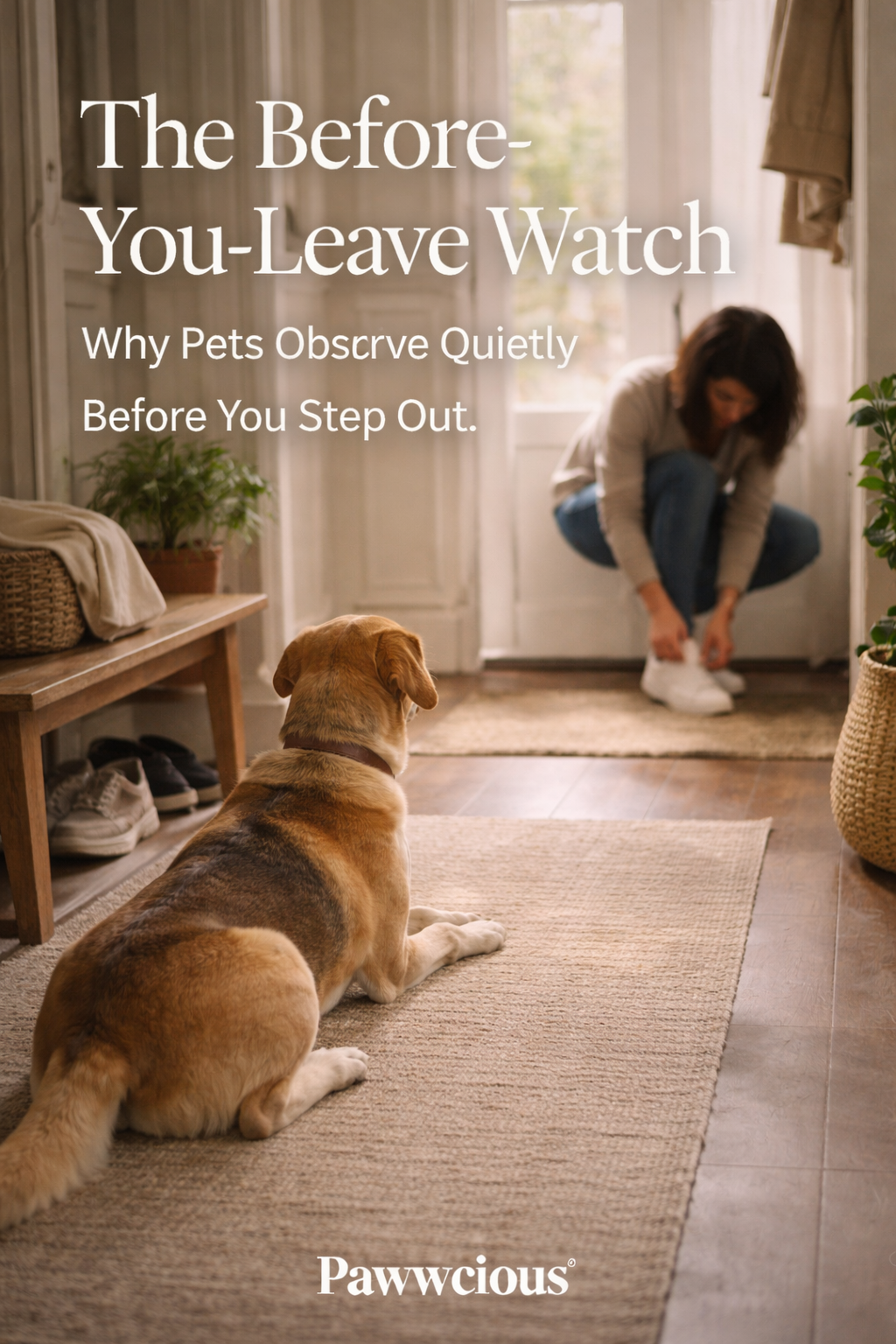
Why Pets Observe You Quietly Before You Step Out
Before you leave the house, pets often pause and watch quietly. This silent observation is how they read routines, predict change, and emotionally prepare.
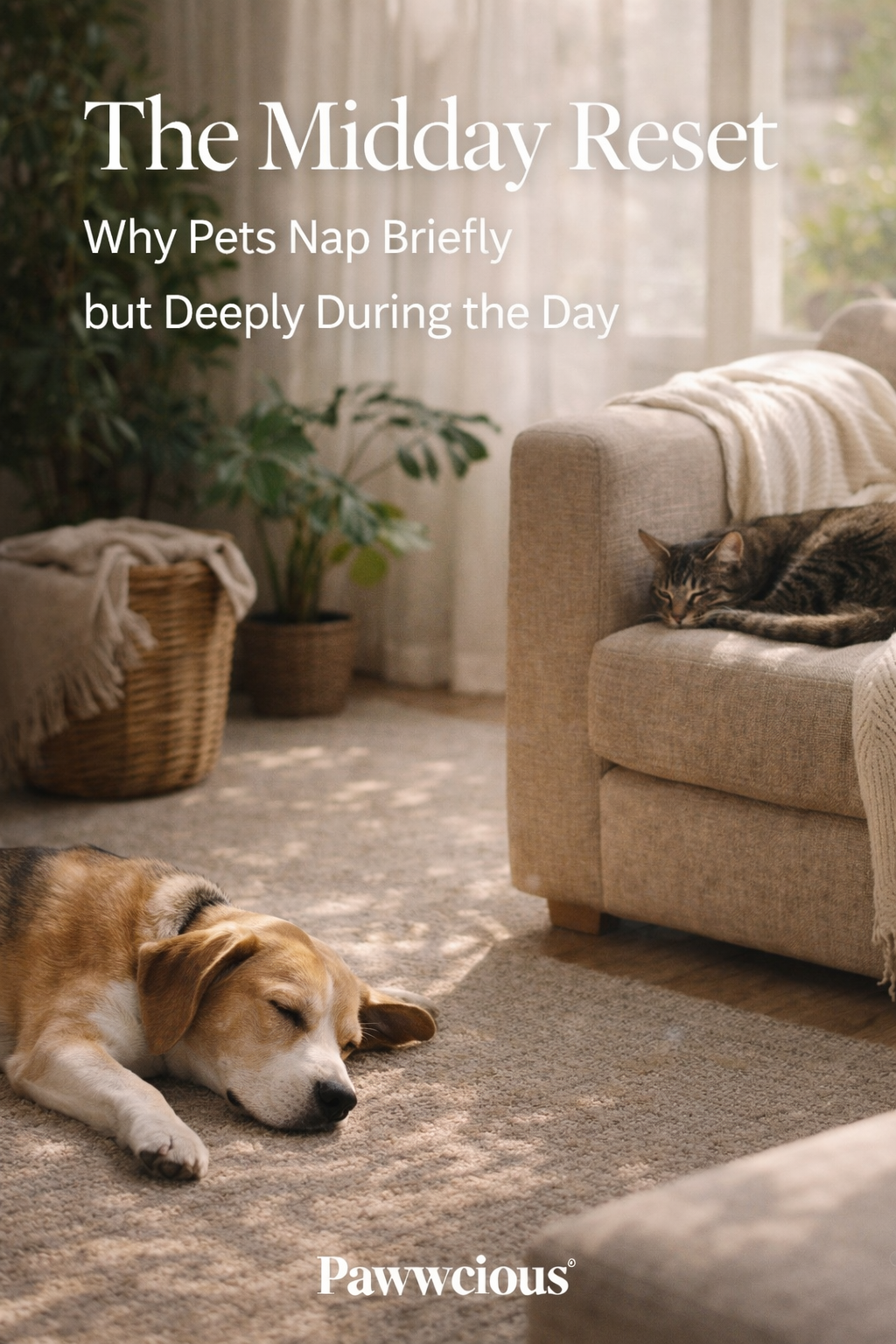
Why Pets Nap Briefly but Deeply During the Day
Those short, deep daytime naps aren’t laziness. They’re your pet’s natural way of resetting emotions, energy, and mental clarity.

Why Pets Move Their Ears Even When Nothing Seems to Happen
That tiny ear movement isn’t random. When pets flick their ears in silence, they’re reading the environment, regulating emotions, and staying alert in ways humans often miss.
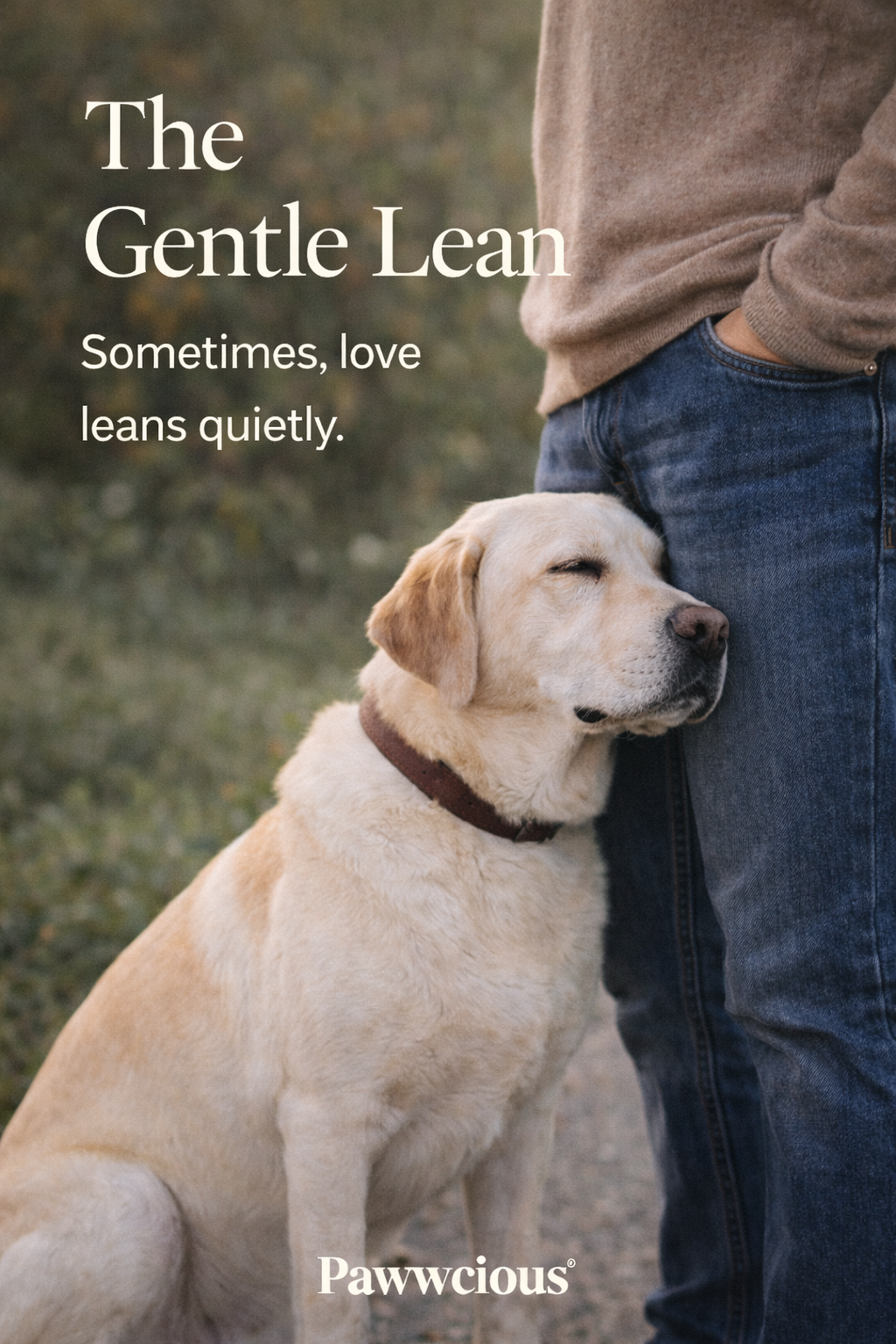
Why Pets Press Their Body Against You Without Asking for Attention
When your pet gently leans into you without asking for attention, it’s a powerful emotional signal. This quiet gesture reveals trust, grounding, and deep connection.
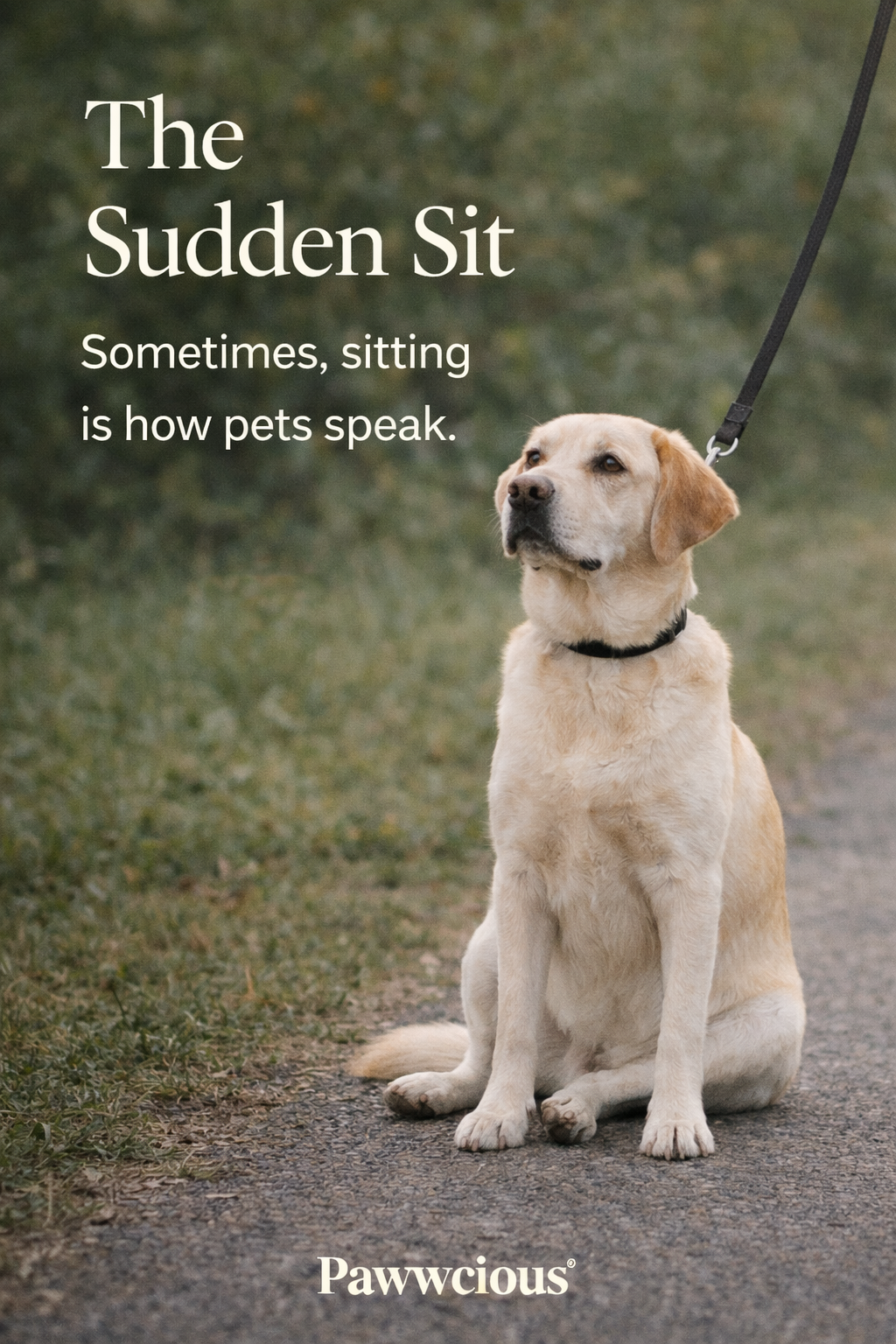
Why Pets Stop Mid-Walk and Sit Without Any Command
You’re walking as usual when your pet suddenly stops and sits.No pulling. No barking. No obvious trigger. This moment — the sudden sit — is one of the most misunderstood signals pets give during walks. Pets don’t sit randomly. They pause with purpose. 1️⃣ Physical Comfort Check Sitting mid-walk can be your pet’s way of relieving pressure on joints, paws, or muscles. Hot pavements, uneven ground, or mild fatigue can prompt a quick rest without distress. This is especially common in warm weather or longer walks. 2️⃣ Emotional Processing Walks are emotionally rich — smells, sounds, movement, people. Sometimes pets sit to process what they’ve just encountered. It’s a mental pause, not resistance. 3️⃣ Sensory Overload Busy streets, loud vehicles, strong scents, or unfamiliar environments can overwhelm a pet’s nervous system. Sitting helps them regain balance before continuing. Think of it as a reset, not refusal. 4️⃣ Temperature Regulation On hot or humid days, sitting reduces exertion and allows the body to cool down. Pets are excellent at listening to their physical limits. Ignoring this signal can increase stress or exhaustion. 5️⃣ Seeking Reassurance Some pets sit and look back at their parent, silently asking, “Is this okay?”This is a trust-based behavior, not defiance. What the Sudden Sit Tells You The context matters more than the action. How Pet Parents Should Respond A walk is a shared experience, not a performance. Why the Sudden Sit Matters That quiet sit is your pet saying:“I need a moment.” Respecting that moment builds trust, emotional safety, and long-term wellbeing.When you honor your pet’s pace, you strengthen the bond far beyond the walk itself. Sometimes, connection begins by stopping together. 👉www.pawwcious.com
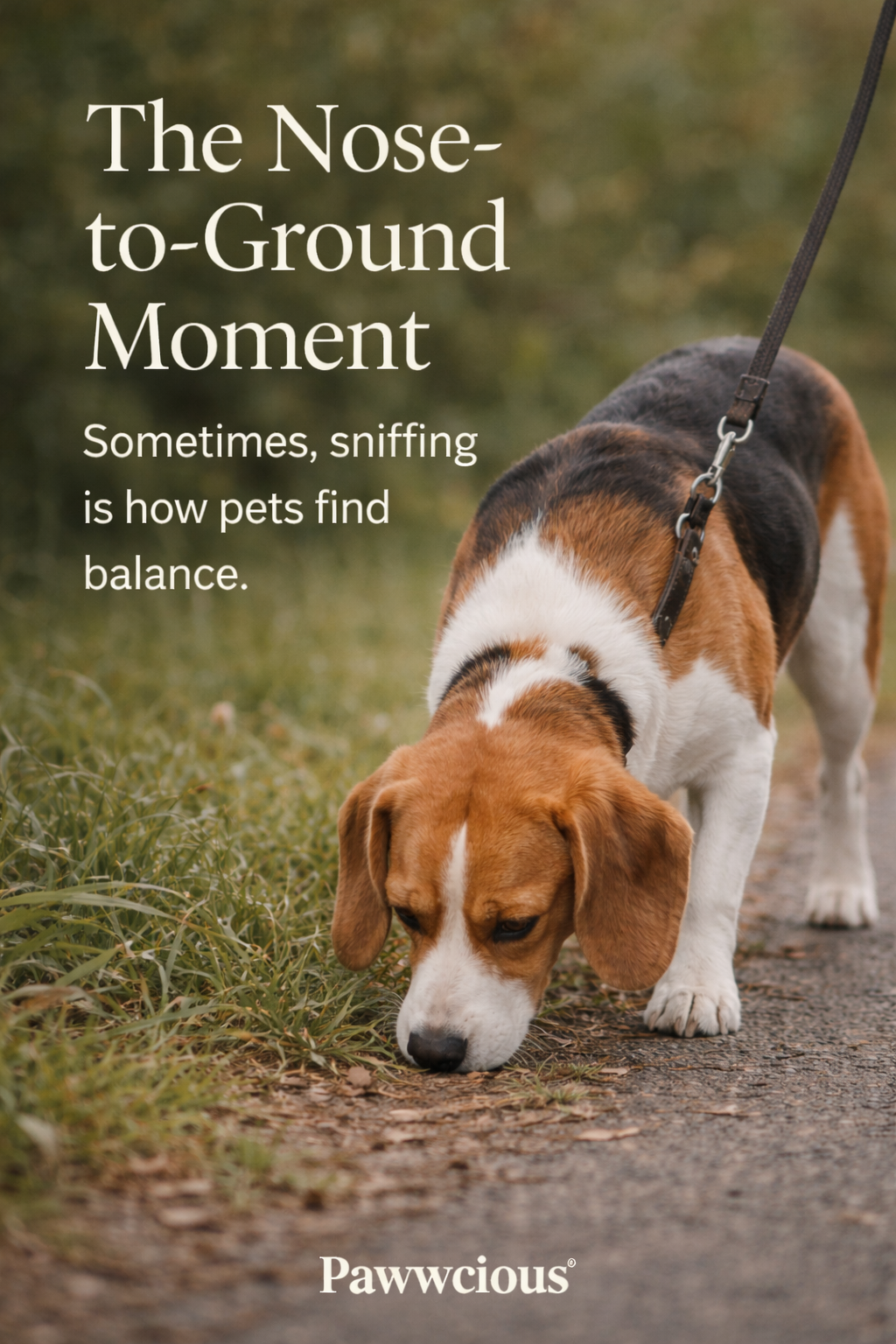
Why Pets Suddenly Stop to Sniff Nothing Visible
That sudden stop to sniff the ground isn’t distraction — it’s deep sensory processing. Here’s what your pet is really doing in that moment.
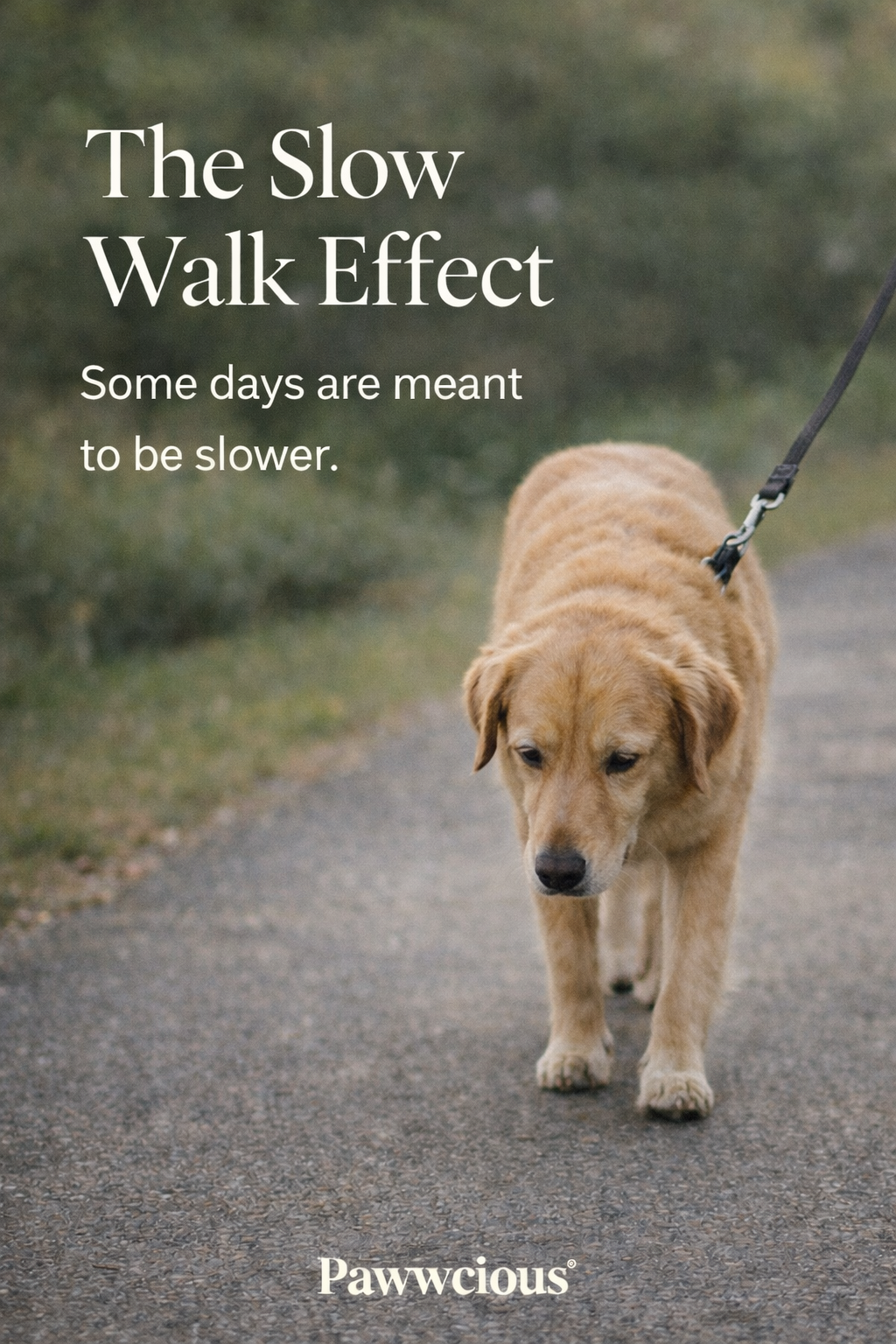
Why Pets Suddenly Walk Slower on Certain Days
A slow walk isn’t always about age or fatigue. Sometimes, it’s your pet regulating emotions, energy, and sensory input.
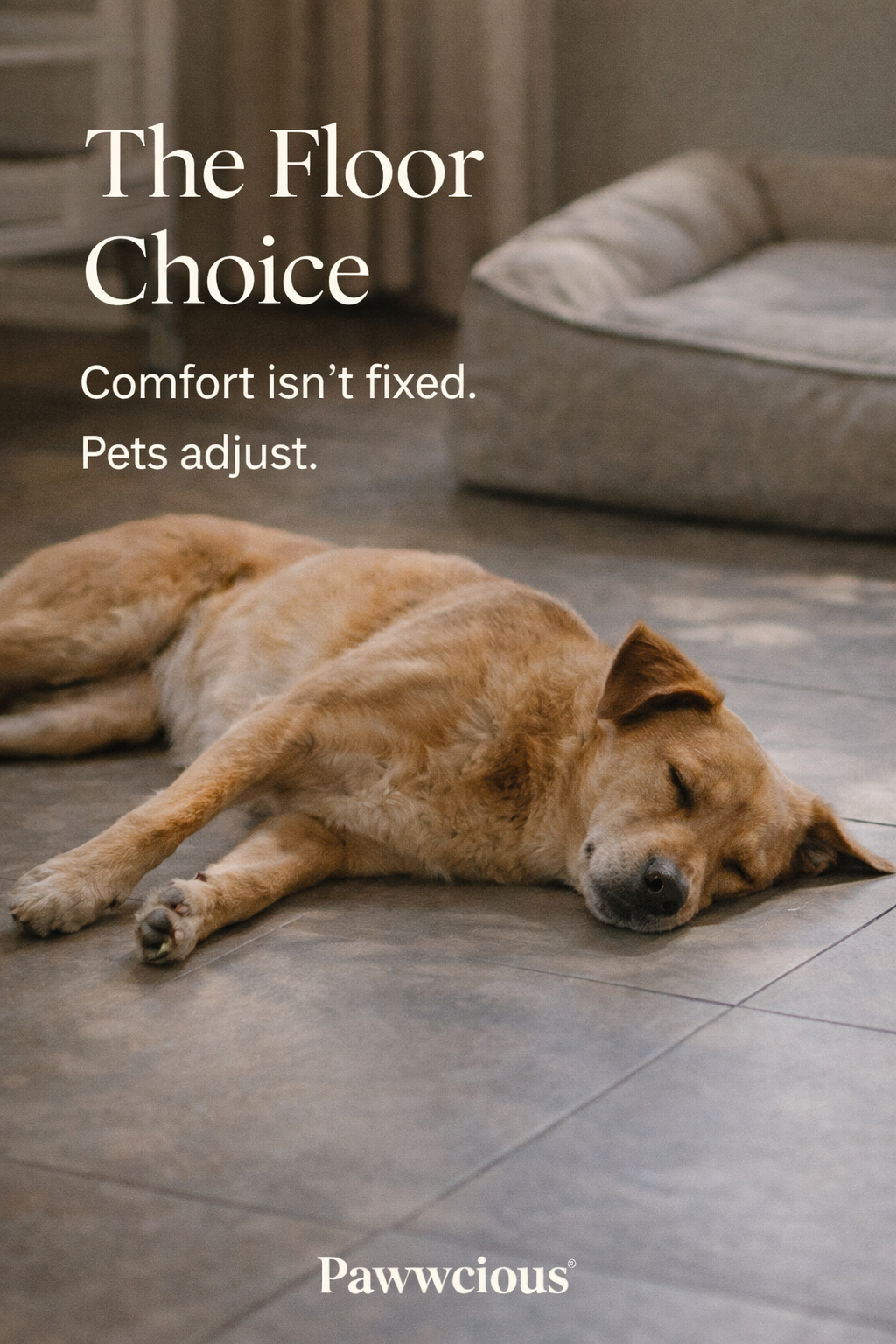
Why Pets Suddenly Switch Sleeping Spots During the Day
If your pet moves from bed to floor to sofa in a single day, it’s not restlessness. It’s intelligent self-regulation.